A source-linked selection of 69 public University of Toronto alumni stories from 2026. Each brief points back to the original reporting. Each brief links to its original reporting. Scroll, search or open the contents rail.
Brand Partners / 12 placements
A place for useful partners.
Tools, clothing, travel and services selected for student and alumni life. Browse the issue’s Brand Partners:
Campus / then · now · next A living campus
U of T Alumni Digest / memory of place
A university is a place in motion
Robarts keeps its concrete memory while new rooms and new residences change how U of T is lived.
Before the expansion, Robarts was already a landmark: the concrete library opened in 1973 and became part of the visual language of St. George campus. This pre-expansion view holds on to the building as generations of students first encountered it.
Now, the newly transformed fifth floor has reopened with an expanded Map & Data Library, advanced technology and flexible spaces for research, learning and collaboration. The building is still recognizably Robarts; the room around the student has changed.
Fifth floor reopened Sep 15, 2026
Next / being shaped
More beds, more city
Next, U of T’s Build More Housing Initiative proposes two new St. George residences: an approximately 49-storey building at College and McCaul, and an approximately 13-storey building on Harbord. They are plans, not completed buildings, but they show how urgently the campus is being asked to make room.
The U of T Bookstore at 214 College Street is part of the lived campus too: the 2026 convocation guide points readers there for frames, gifts, sweatshirts, pins, mugs and the Teddy Bear Wall photobooth.
Robarts Common added dedicated student space, quiet reading, group rooms and accessible areas across the university’s three campuses. The point is not only how the building looks, but what it lets people do together.
The U of T Archives Image Bank documents campus growth through architectural drawings, construction and demolition images, and general campus views. Future issues can use it for a rights-reviewed before-and-after sequence.
Hafsa Murtaza holds her Governor General's Silver Medal. Credit: Nick Iwanyshyn
Alumni
Hafsa Murtaza learns by drawing
Handwritten notes, sketches and conversations with professors helped the art and art history graduate earn a Governor General's Silver Medal.
Original reporting by Megan Easton
Hafsa Murtaza expected her grades might slip when she started university. Instead, bonus marks lifted her first art history midterm score to 102 per cent. She graduated from U of T Mississauga in June 2026 with a Governor General's Silver Medal as the university's top humanities graduate.
Her study habits were tactile: handwritten notes, colour coding and drawings of artworks helped her remember what she learned. Office hours made large classes feel less intimidating. When research work and student leadership crowded her fourth year, she scheduled one task at a time, requested extensions and turned to embroidery to unwind.
Robert Chung, a mathematics and computer science graduate of U of T Scarborough.
Alumni
Robert Chung follows the difficult questions
A mathematics and computer science graduate found his teachers, teammates and toughest ungraded problems more useful than a rigid study routine.
Original reporting by Don Campbell
An old Visual Basic book from his father gave Robert Chung an early taste for programming. At U of T Scarborough, that curiosity took him through mathematics and computer science and into competitive programming. He qualified for the International Collegiate Programming Contest World Finals in Baku, Azerbaijan.
Chung received both a Governor General's Silver Medal and the John Black Aird Scholarship. He credits professors who made difficult work inviting, including Nick Cheng, whose ungraded problems led to a teaching assistant role. Chung missed his June convocation because he had started a quantitative trading internship in New York City.
Neil Price completed his OISE dissertation while continuing his community work. Credit: Submitted photo
Alumni
Neil Price brings community into scholarship
The OISE graduate's doctoral work examines exclusion in universities and the collective practices Black scholars use to sustain their work.
Original reporting by Michelle Bojcun
Neil Price spent eight years completing his dissertation while maintaining a professional life in community work. OISE's flex-time doctorate let him bring those experiences into his research. His study examines how universities exclude Black knowledge and how Black scholars draw on collective action, protest and cultural traditions to persist.
Storytelling connects that scholarship with his work as an art critic and nonprofit consultant. Price co-founded LogicalOutcomes in 2014 to help organizations understand and explain their impact. Since finishing his PhD, he has been invited to develop a U of T Urban Studies course on community responses to health and food justice issues.
Greg Dance holds a print of Sir Luke Fildes's painting The Doctor.
Alumni
A patient's gift finds another doctor
Nancy Tozer passed a treasured print to medical student Greg Dance, whose reflection on listening to patients won her over.
Original reporting by Heather McCall
In 1978, medical student Nancy Tozer cared for a man whose colon cancer could not be removed. Their conversations continued beyond hospital, and he gave her a print of Sir Luke Fildes's painting The Doctor. It hung opposite her desk throughout her family practice in Pointe-Claire, Quebec.
After retiring, Tozer sought a new owner. A student reflection contest led her to Greg Dance, a second-year medical student at U of T's Mississauga campus. Dance wrote about talking with an unhoused person struggling with schizophrenia symptoms during his work as a first responder. He plans to display the print in his future practice.
Actor, choreographer and educator Kimia Karachi. Credit: Megan VincentKimia Karachi credits Hart House with building her confidence as an artist.
Alumni
Kimia Karachi finds confidence backstage
Dance festivals and student theatre gave the U of T graduate practical experience she now brings to teaching acting in Vaughan.
Original reporting by Megan Wykes
Kimia Karachi was an experienced dancer but a nervous newcomer to acting when she approached Hart House Theatre in her first year. She joined the Festival of Dance executive team and helped with a panel on colourism in ballet. Soon she was taking on larger responsibilities behind the scenes.
By her final year, Karachi was coordinating events and the dance festival, chairing the theatre committee and working front of house. She graduated in 2022 and later earned a teaching degree. Now an acting coach at The Actors Room in Vaughan, she credits Hart House with teaching her how to welcome and mentor other performers.
Emily Hunter campaigns on Ontario climate issues at Environmental Defence Canada. Credit: Courtesy Emily Hunter
Alumni
Emily Hunter keeps organizing through change
After campaigning in Canada and New Zealand, the UTSC graduate draws on family and community to sustain her climate work.
Original reporting by Ravisha Mall
Emily Hunter's environmental work has taken her from Greenpeace campaigns in Washington and Toronto to an oceans and plastics campaign in New Zealand. After returning to Canada with her first child, she started again in a junior role at Environmental Defence Canada. Six years later, she is its senior program manager for Ontario Climate.
Hunter credits university field courses in Ecuador and Siberia with helping her trust her own choices. She urges student activists to study the history of the issues they care about and find people who will support them through setbacks. For her, that support includes her husband, a fellow activist.
Bavan Pushpalingam, whose food justice research began with family gardening in Scarborough. Credit: Don CampbellBavan Pushpalingam gardens with his father, Paramasivam, at their Scarborough home.
Alumni
Food justice begins in the garden
Bavan Pushpalingam's family grew vegetables in Scarborough; his research now examines how food, migration and access to familiar crops intersect.
Original reporting by Don Campbell
Bavan Pushpalingam learned to grow vegetables beside his father, first on a Scarborough apartment balcony and later in the family backyard. They still grow okra, bitter gourd and other culturally important crops that can be hard to find in shops. Food bank volunteering helped turn that experience into research questions.
At U of T Scarborough, Pushpalingam studied public policy, food studies and urban governance. He worked with community organizations on food insecurity among racialized youth during the pandemic, then conducted fieldwork abroad with farmers and organizers. His aim was practical: research that organizations could use in their own programs. He is considering graduate study.
Aarabhi Krishnakumar beside a Formula One racecar during her Alpine internship. Credit: Jason Bridge, Transmission Build Leader, Alpine
Alumni
An extra year in Formula One
Aarabhi Krishnakumar postponed graduation for an Alpine internship that helped her discover a preference for manufacturing and working directly with parts.
Original reporting by Samantha Younan
Aarabhi Krishnakumar had already completed two co-op internships when Alpine offered her another year of work in Formula One. She hesitated about delaying her mechanical engineering degree again, then accepted. In August 2024, she left for Oxford, England, on her first trip outside North America.
As a build and test intern, she connected design and build teams and helped improve their drawings and assembly work. The experience clarified what she enjoyed: working with people and physical parts rather than spending all day at a computer. After another internship with the Canadian Space Agency, she landed a process engineering job at Tesla Toronto.
Ruqaiya Rahman helped other students settle into university life at U of T Mississauga. Credit: Nick Iwanyshyn
Alumni
Ruqaiya Rahman passes the help along
Advice about buses, groceries and winter clothing helped a student from Bangladesh settle in; she later guided other newcomers at UTM.
Original reporting by Kate Martin
Ruqaiya Rahman arrived from Bangladesh ready for a fresh start in business studies at U of T Mississauga. Daily life in a new country proved harder than she expected. Roommates explained public transit, residence staff pointed her toward services, and others helped her find winter clothing.
Over four years, Rahman moved into support roles in residence, the International Education Centre and Student Recruitment and Admissions. The commerce graduate wanted other students to feel comfortable asking basic questions, as she had. She encouraged her mentees to attend clubs and events early, try unfamiliar activities and give themselves permission to change their academic plans.
Joel Tan with his parents after his June 2014 convocation at University College. Credit: Courtesy Joel TanJoel Tan presents his master's research at the Institute of Medical Science in May 2018. Credit: Courtesy Joel Tan
Alumni
Joel Tan gets his biology chance
Rejected by universities in Singapore, the future biomedical researcher found laboratory work and mentors after applying to one university abroad.
Original reporting by Peter Boisseau
Joel Tan wanted to study biology after watching his father battle cancer. School placements in Singapore steered him away from the subject, and local universities later rejected his applications. With money for application fees limited, he tried one overseas institution: the University of Toronto. It accepted him.
At U of T, Tan took his first biology class and joined research labs. He earned undergraduate and master's degrees before completing a Harvard doctorate, where he discovered bacterial defence systems he named Hailong. As a 2026 Schmidt Science Fellow, he plans to use machine learning to study neurodegeneration, a subject made personal by his father's Alzheimer's disease.
Kaynaat Abrar is returning to U of T Scarborough to study clinical psychology. Credit: Don CampbellKaynaat Abrar at a laboratory after undergraduate research across several UTSC teams. Credit: Don Campbell
Alumni
An email opens the laboratory door
Kaynaat Abrar joined a first-year research program, studied concussion-like symptoms and is returning to UTSC for a clinical psychology doctorate.
Original reporting by Alexa Battler
A first-year email about the Budding Scholars Program led Kaynaat Abrar to psychologist Konstantine Zakzanis and her first research opportunities. He later supervised her honours thesis on interpreting symptoms that resemble concussion but may have other causes. She graduated with majors in population health and psychology.
Abrar worked across several labs, including a study of how young children match their walking pace to a metronome. Paid research roles and awards helped her fit that work around her studies. She also founded a student initiative focused on child and youth mental health. This fall, she returns to UTSC as her family's first PhD student.
Vanessa Lin carries a rowing boat during her time with the Varsity Blues. Credit: Supplied by Vanessa Lin
Alumni
A rower tests a training question
Vanessa Lin moved from volunteering in an exercise study to researching whether brief restrictions in blood flow affect rowing performance.
Original reporting by Jelena Damjanovic
Vanessa Lin first encountered ischemic preconditioning as a volunteer in another student's exercise study. The method briefly interrupts blood flow before exertion. For her own master's research, she applied blood pressure cuffs to trained rowers' legs before a two-kilometre indoor rowing test to examine whether the treatment improved performance.
The question was personal. Lin rowed with the Varsity Blues from 2022 to 2024, fitting early practices around classes and work. After graduating in June, she planned to keep collecting study data with supervisor Ira Jacobs. She also coaches strength training and Olympic weightlifting while competing in weightlifting herself. The research remains unfinished.
Ridwan Iqbal studied environmental management and economics at U of T Mississauga.
Alumni
Ridwan Iqbal makes room for others
The environmental management and economics graduate paired sustainability work with residence programs that helped students feel at home far from family.
Original reporting by Kate Martin
Ridwan Iqbal travelled from Brunei to study environmental management at U of T Mississauga. A land acknowledgement at residence orientation prompted him to think about his responsibilities to the place where he would study. He became a sustainability ambassador and food bank volunteer, later adding economics as a second major.
Residence became another part of his education. Iqbal helped first-year students adjust and organized a Thanksgiving potluck with his roommate for those staying on campus. Students brought food from their cultures and shared the holiday together. In his final year, he helped run practical classes on cooking, sewing and other everyday skills.
Jenny Blackbird presents Adrianna Lewis with an Indigenous stole at a May graduation celebration. Credit: Johnny GuattoAdrianna Lewis wants libraries to change how they classify and protect Indigenous knowledge. Credit: Johnny Guatto
Alumni / Campus
Three graduates carry community into work
Rose Esplen, Tristan Gosselin and Adrianna Lewis describe how Indigenous relationships and knowledge shape their plans for medicine, law and libraries.
Original reporting by Mariam Matti
Rose Esplen is heading to medical school at Queen's after studying neuroscience and physiology at U of T. A Fireweed Gitxsan graduate, she wants to bring her community into her medical career. Fellow graduate Tristan Gosselin, a Manitoba Métis Federation citizen, plans to pursue Indigenous justice and land claims through law.
Adrianna Lewis is focused on libraries. During her master of information degree, she helped replace colonial or racist cataloguing terms with community-preferred names. She also identified a book containing sacred ceremonial knowledge that is being returned to its community. All three found support at First Nations House during their studies.
Lellow Sedio, a book and media studies graduate, pictured in a library.Lellow Sedio holds a book in a library.
Alumni
Lellow Sedio returns on her terms
The Transitional Year Programme helped her rebuild confidence in university and turn questions about educational access into research and free resources.
Original reporting by Rahul Kalvapalle
Lellow Sedio's first attempt at university in Canada ended after a mental health crisis. Later, a Facebook advertisement brought her to U of T's Transitional Year Programme. Its small classes and support gave her time to understand what she wanted from studying and how to approach it.
Sedio graduated in book and media studies and gained admission to the Faculty of Information. Her research examined educational barriers in Botswana, including how available learning materials and language can affect students' results. She also founded Epic Minds, a nonprofit providing free educational resources, and mentored prospective students. Graduate work in critical information policy comes next.
Kristen Tsai holds a lemur in Nosy Be, Madagascar.A tuk-tuk in Madagascar, where Tsai travelled to the Sunrise Centre for her placement.
Alumni
A lemur story supports a school
Occupational therapy graduate Kristen Tsai wrote a children's book after a Madagascar placement, directing all proceeds to the Sunrise Centre.
Original reporting by Rachel LeBeau
Each morning of her placement in Nosy Be, Madagascar, Kristen Tsai took a tuk-tuk to the Sunrise Centre, a school for children with physical and intellectual disabilities. She worked with teachers on ways to support learning, including helping children develop handwriting skills through smaller, manageable steps.
Back home, Tsai stayed in touch and wrote Let's Be Nosy in Nosy Be! The children's book follows a young lemur visiting the school. All proceeds support the donation-funded centre. The placement grew from fellow alum Stephanie Ellis's work connecting the school with occupational therapists and U of T students who could help its teachers.
On campus, choosing a tool and knowing when to use it are different decisions.
An AI tool can be available on campus without being appropriate for a particular assignment. U of T’s student guidance directs learners who are unsure about using generative AI in academic work to their instructor or graduate supervisor. That distinction matters: an account answers the question of access, while a course sets the conditions under which a student’s work will be assessed. Neither tells us how many students actually use the technology.
At U of T Mississauga, academic integrity guidance makes the course boundary explicit: generative AI is not allowed unless the instructor permits it. Permissions can differ between courses, including those taught by the same person. For students moving between disciplines, checking the rules is therefore part of preparing the assignment, not a technicality to settle after producing a draft.
Meanwhile, UTSC’s academic handbook points educators toward institutionally vetted tools and AI literacy resources, including materials about evaluating outputs and engaging critically with the technology. Read together, these sources suggest a practical sequence: establish the course rules, choose an appropriate tool, then examine what it produces. The educational opportunity is not simply quicker completion. It is learning to explain which parts of a task required personal judgment, and why a machine’s confident answer still needs scrutiny.
The seven alumni honoured at the 2026 YWCA Toronto Distinction Awards. Credit: Awesome PhotographyKehkashan Basu receives the Young Leader of Distinction award. Credit: Awesome Photography
Alumni
Seven alumni share six YWCA honours
Toronto's 2026 Distinction Awards recognized work in climate justice, midwifery, labour, immigration, law and corporate leadership by U of T graduates.
Original reporting by Coby Zucker
Seven U of T alumni received all six 2026 YWCA Toronto Distinction Awards. Juana Berinstein and Ellen Blais shared the health award for their work at the Association of Ontario Midwives, including support for Indigenous birth practices. Kehkashan Basu received the young leader award for the Green Hope Foundation, which she founded at 12.
The other recipients work in very different settings. Jenny Ahn was honoured for labour advocacy; Sara Asalya for advancing immigrant women's inclusion. Lawyer Janice Rubin was recognized for addressing workplace harassment. Chinyere Eni received the corporate leadership award for helping women from underrepresented communities advance in their careers.
The Pearson Scholars Class of 2026 gathers with university representatives.Mariana Mota Prado takes a selfie with Giorgi Kaikatsishvili and Sarah Oberto Monasterios.
Alumni
Pearson scholars take their next steps
A June reception brought together 36 international graduates whose next jobs span consulting, tax and infrastructure work in Canada and Chicago.
Original reporting by University of Toronto Alumni
U of T celebrated 36 graduating Lester B. Pearson International Scholars at a June reception. The scholarship, established in 2017, pays tuition, books, incidental fees and residence costs for four years. Speakers acknowledged the work of adapting to a new country as well as the graduates' academic achievements.
Rotman Commerce graduate Sarah Oberto Monasterios spoke about the people who made her experience meaningful. She is joining Boston Consulting Group in Chicago for work focused on the public sector, climate and social impact. Paramvir Singh will work in asset management tax at KPMG Canada, while Maansi Suri is joining infrastructure firm Jacobs Canada.
Justine Coroza with the Toronto Tempo's Rhythm Section in April 2026. Credit: Amanda Lee CoffeyJustine Coroza, centre, at the Hip-Hop Block Party in March 2025. Credit: Nidhil Vohra
Alumni
Justine Coroza dances into the WNBA
Hart House workshops and event organizing helped the Trinity graduate build confidence before joining the Toronto Tempo's Rhythm Section dance ensemble.
Original reporting by Megan Wykes
Justine Coroza performs at Toronto Tempo home games as a member of the Rhythm Section. The Trinity College graduate traces part of that professional start to a creative writing assignment: asked to describe an event, she found Hart House's Lyricists' Lounge and its Hip-Hop Education program.
She applied for a work-study position and learned to organize events with support from the program's staff. Over the next three years, she was invited to perform and lead workshops at the annual Hip-Hop Block Party. Those experiences helped her see dance as a possible career and gave her the confidence to pursue it professionally.
Order of Canada medals; the June 2026 appointments included members of U of T's community. Credit: MCpl Anis Assari
Alumni / Volunteer & Awards
Order of Canada recognizes university community
The June 2026 appointments honoured U of T alumni, faculty and supporters for work in research, public policy and patient care.
Original reporting by University of Toronto Alumni
The June 26, 2026 Order of Canada appointments included U of T alumni, faculty and supporters. Philanthropist Donald K. Johnson and molecular researcher Lewis Kay were promoted to Companion. Sociologist Cecilia Benoit, classicist Alison Keith, anesthesiology researcher Beverley Orser and statistician Mary Thompson were named Officers.
Those appointed Members included gynecological oncologist Allan Covens and rural nursing researcher Martha L. P. MacLeod. Kona Kristen Chant Williams, Canada's first First Nations forensic pathologist, was recognized for her work and leadership in culturally informed practice. The appointments also honoured addictions researcher Harvey Skinner and human rights advocate John William Foster, who died in April.
A composite image of Emilda Thavaratnam, whose doctoral research examines international students' experiences. Credit: Provided by Emilda ThavaratnamEmilda Thavaratnam presents her research at a conference. Credit: Provided by Emilda Thavaratnam
Alumni
Migration shapes a teacher's doctoral questions
Emilda Thavaratnam drew on family experience and years in college classrooms to study the pressures facing international students in Ontario.
Original reporting by Sharmeen Somani
Emilda Thavaratnam arrived in Canada from Sri Lanka with her mother in 1990, aged five. Both parents had taught in Sri Lanka and struggled to rebuild their careers. Watching them tutor and support Toronto's Tamil community helped shape her own understanding of teaching as service.
After years teaching in Ontario colleges, Thavaratnam began a doctorate at OISE while working full time and raising a family. Her research used interviews with international students and college staff to examine financial pressures, housing and education policy. She received her PhD in June and hopes to continue that research. She is also writing short stories about Tamil migration experiences.
Cameron Stewart's company secured FDA clearance for technology designed to release antimicrobial material around fillings, working through established dental manufacturers.
Original reporting by Diane Peters
Bacteria can grow in the tiny gap between a tooth and its filling, causing infection and damaging the restoration. During graduate research at U of T, Cameron Stewart formed porous silica particles around an antimicrobial so it could be released slowly near a filling. That work became the basis of Mesosil.
The company secured FDA 510(k) clearance by supplying its technology to established dental companies rather than selling directly to dentists. Mesosil raised $2.3 million in 2024 and maintains research ties with U of T. Stewart is now considering how to increase production, potentially through a small chemical manufacturing facility, while exploring other applications.
Maeve Ellis holds a microphone; she now reports for CBC Saskatchewan.
Alumni
Maeve Ellis follows the numbers
Economics and history trained the new CBC Saskatchewan reporter to analyze data, question sources and check what a story can support.
Original reporting by Kate Baggott
Maeve Ellis chose economics and history as preparation for journalism. Economics taught her to work with data; history taught her to examine texts and their sources. She put both to use during three years at the Varsity and an internship at the Investigative Journalism Foundation.
For one story, Ellis analyzed Toronto beach waterfowl counts, found a decline and checked her analysis with experts. At the foundation, she also used AI summaries but stressed that journalists still had to verify the material. She has now joined CBC Saskatchewan as a reporter and associate producer, taking her research skills into a newsroom beyond her hometown.
OISE community members browse donated clothing at the Career Closet. Credit: Michelle Bojcun/OISEVolunteer Camille Beaulé sorts clothing at the Career Closet. Credit: Michelle Bojcun/OISE
Alumni
A teaching wardrobe with another life
OISE's Career Closet helps students dress for practicums and interviews with donated clothing, shared advice and a permanent campus home.
Original reporting by Michelle Bojcun
A rack of donated clothes can make a teaching practicum feel more manageable. OISE staff members Alex Merrick and Mairi McKenna Edwards developed the Career Closet after discussing students' needs, including the cost of suitable clothing. Its first session, held during the spring 2024 career fair, drew more than 100 students.
The initiative now has a permanent space on OISE's 12th floor, with sessions scheduled around practicums, conferences and career fairs. Students from all three U of T campuses can visit, subject to an item limit. Volunteers sort donations and help visitors find clothes that fit; guidance has also covered alterations and dressing nonbinary bodies.
Juan Carlos Mezo González, author of Gay Print Culture.Gay Print Culture examines the magazines and networks behind North American gay liberation.
Alumni
The magazines that carried gay liberation
Juan Carlos Mezo González traces how North American publishers exchanged images and ideas long before queer communities could organize online.
Original reporting by Coby Zucker
A master's paper at U of T grew into a decade of research for Juan Carlos Mezo González. His first book, Gay Print Culture: A Transnational History of North America, examines magazines published from the early 1970s to the mid-1990s and the connections their editors built across borders.
Those connections travelled through letters, visits and exchanged publications. Readers encountered news of protests and repression alongside visual art that presented gay desire positively. Mezo González consulted archives in Toronto, Mexico City and elsewhere, including The ArQuives. Now teaching at Mount Royal University, he brings archival materials into his courses so students can work directly with the documents.
Five members of U of T's Class of 2026 gather for a portrait. Credit: Polina TeifFelipe Sarmiento Gómez studied conservation and biodiversity at U of T Scarborough. Credit: Polina Teif
Alumni
Five graduates, five ways to contribute
The Class of 2026 includes young researchers, athletes and organizers whose campus experiences helped shape their ambitions beyond graduation.
Original reporting by Mariam Matti
More than 15,000 students were expected to graduate from U of T in spring 2026. Among them, conservation and biodiversity graduate Felipe Sarmiento Gómez took his research to Colombia and worked with a sustainable cacao startup in Costa Rica. Catherine Wang found her direction in nutrition and planned further study at Columbia University.
Sprinter Isaiah Gardner's experience of injury drew him toward athletes' physical and mental rehabilitation. At Mississauga, commerce graduate Ruqaiya Rahman mentored incoming students and hoped to earn her CPA designation. Diego Arreola Fernández combined economics and international relations with environmental advocacy, co-founding Green Speaking and working with the university's Trash Team.
Ivoire Beguinot's studies and World Bank internship sharpened her interest in development shaped by the people it aims to serve.
Original reporting by Rahul Kalvapalle
Ivoire Beguinot paired international development studies at U of T Scarborough with the university's new global leadership minor. A member of its first cohort, she also directed the Global Leadership Student Association and co-chaired the campus's International Development Conference. Her education extended to a World Bank internship in Abidjan.
There, Beguinot supported implementation of Côte d'Ivoire's Climate and Development Report with ministries, local institutions and private-sector participants. Conversations with local delegates made her question how well outside frameworks fit local needs. She plans further study and hopes to lead development projects, with a particular interest in West Africa and the experience of its communities.
Set up a study notebook, find the gaps in your understanding and work through the next difficult concept one step at a time. Availability and eligibility vary by region and account.
Benji Jacob, UTM's 2026 valedictorian and founder of the Studio X art collective. Credit: Nick Iwanyshyn
Alumni
Benji Jacob finds room to grow
Psychology, student art and community research helped UTM's 2026 valedictorian turn a broad set of interests into a direction.
Original reporting by Kate Martin
Benji Jacob arrived at U of T Mississauga expecting to study neuroscience. He found himself more interested in social and personality psychology, graduating as a psychology specialist with minors in biology and biomedical communication. As the campus's 2026 valedictorian, he credits the people around him with helping him find his footing.
Art remained part of that experience. In 2022, Jacob started Studio X, a student collective that creates campus installations and addresses social justice through art. He also worked in Joanne Chung's lab, coordinating the Giving Voice study of personality and wellbeing among undergraduates, and pursued independent research on queer person of colour identity development.
Hannah Chown in her U of T soccer jacket.Chown plays soccer as she considers a professional career. Credit: Anu Das
Alumni
Hannah Chown takes her next shot
After captaining a championship team and completing teacher training, the defender is exploring professional soccer opportunities in Canada and abroad.
Original reporting by Mariam Matti
Hannah Chown scored the only goal in the Varsity Blues women's soccer team's first championship victory in 2025. A corner from Emilija Lucic set up the captain's finish against Guelph. With a teaching degree from OISE completed, Chown is now pursuing the possibility of a professional playing career.
She plays for Simcoe County Rovers FC and coaches girls whose support has followed her to university matches. Teaching runs in her family: both her mother and grandmother entered the profession. Her undergraduate years also included English and theatre studies, with performances on stage between commitments on the pitch. For now, she wants to give soccer her full effort.
John and Elizabeth Warrener in their library-school graduation portraits.John and Elizabeth Warrener together in 2019.
Alumni
Two library careers, one shared commitment
John and Elizabeth Warrener built long careers in public libraries and continue supporting the faculty where both trained as librarians.
Original reporting by University of Toronto Alumni
John and Elizabeth Warrener knew each other in high school, but neither initially planned a library career. John entered U of T's Master of Library Science program in 1971; Elizabeth followed a year later. Summer work in Etobicoke's library system led both toward careers serving its readers.
The couple could work for the same system, though not in the same branch. Over the next 25 years, they worked mainly in reference, with Elizabeth also handling children's services and John taking on branch leadership. Retirement brought volunteer work with Ex Libris. Both remain donors to the Faculty of Information, alongside other educational and community causes.
Bloomberg Nursing alumni gather for a group photograph.Carrie Kan supports future nurse practitioners through clinical teaching and precepting. Credit: Dave Chan
Alumni
Experienced nurses make time for newcomers
Bloomberg Nursing alumni describe the practical help and personal encouragement they offer students, and what they learn in return.
Original reporting by Rebecca Biason
A short note can matter to a student struggling through nursing school. Carla Coverdale contributes to Bloomberg Nursing's Words of Wisdom campaign and has helped students find mental-health support as a clinical instructor. Fellow alum Alex Harris mentors graduate students, a commitment she says has renewed her own energy for nursing.
Other volunteers bring students into clinical practice. Emergency nurse practitioner Carrie Kan works as a preceptor and instructor, learning alongside the people she teaches. Brock Cooper has mentored undergraduate and nurse practitioner students, supported admissions and helped develop an online module about adult depression. Their accounts describe teaching as an exchange between generations of nurses.
Sheena Josselyn studies how memories are formed, stored and recalled. Credit: Polina TeifJosselyn and colleagues in the Josselyn-Frankland Lab at SickKids. Credit: Polina Teif
Alumni
Finding the cells that hold memories
Sheena Josselyn's research follows the physical traces of memory, with questions about trauma, dementia and the consequences of changing recollection.
Original reporting by Adina Bresge
In 2009, Sheena Josselyn and collaborators reported that they had located and erased a specific fear memory by destroying the cells that stored it. The work helped establish how clusters of neurons, called engrams, carry memories. At SickKids and U of T, Josselyn has continued investigating how those clusters form and function.
Her lab's later work examined why traumatic memories can spread beyond their original setting. A 2025 paper linked stress to unusually large engrams and traced a mechanism involving cortisol. Josselyn hopes this research can inform future treatment, while recognizing the distance to clinical use and the ethical questions raised by altering painful memories.
Health care executive Lisa Alcia, a 1989 U of T graduate.
Alumni
A phone call that changed a career
Lisa Alcia found her route into health administration through a professor's encouragement, then brought hospital leadership experience to seniors' care.
Original reporting by Ishani Nath
Lisa Alcia once expected to become a doctor. Reconsidering that plan, she followed a friend's suggestion and called Ron McQueen, then a professor and program director in health administration at U of T. He arranged a year at Queensway General Hospital so she could see the work firsthand before applying.
Alcia graduated in 1989 and went on to spend 18 years as executive director and chief research operations officer at University Health Network. Her mother's experience of cancer later exposed gaps in care that pushed her toward elder care. As a leader of seniors' organizations, she wants to develop long-term care professionals and improve the experience of aging.
Ophelia Chang, a UTM commerce graduate working in risk management and governance. Credit: Lindsay RobertsChang at the 40 Under 40 Awards Ceremony.
Alumni
Ophelia Chang builds support into leadership
The UTM commerce graduate connects her work in risk management with lessons learned while helping students settle into campus life.
Original reporting by Marai Ben Elhoul
As a residence peer academic leader at U of T Mississauga, Ophelia Chang helped students handle unfamiliar surroundings and academic demands. One memory is especially concrete: a shopping trip to prepare students for their first Canadian winter. She also helped develop programming on communication and workplace expectations before graduation.
After earning her commerce degree in 2009, Chang used Career Centre support to find her first accounting position. Audit and IT audit followed, then risk management. She describes building a leadership dashboard and investigating the causes of incidents in her director role. Her Women in Risk and Governance initiative extends that work through mentorship and resources for underrepresented professionals.
Alumni and their children pose in front of a Reunion inflatable.
Alumni
A week to find your way back
Alumni Reunion 2026 planned more than 140 events, with campus and online activities for graduates and families across June 14–20.
Original reporting by University of Toronto Alumni
Alumni Reunion 2026 was scheduled for June 14–20, with more than 140 events across U of T's three campuses. The program combined milestone celebrations and lectures with family activities and familiar campus traditions. Graduates could plan a visit to campus or take part online, depending on how they wanted to reconnect.
The invitation was also a chance to return to places and friendships associated with university life. President Melanie Woodin described the occasion as her first Reunion in the role and welcomed alumni back for the week. For families, the advertised program included hands-on activities alongside opportunities for graduates to learn and celebrate together.
Marika Warner leads research and insights at Maple Leaf Sports & Entertainment.
Alumni
Marika Warner puts movement to work
A background in rehabilitation research guides the U of T graduate's approach to youth programs and community research at MLSE.
Original reporting by University of Toronto Alumni
Marika Warner divides her working time between Scotiabank Arena and MLSE LaunchPad, a downtown Toronto facility that uses sport to support young people facing barriers. As MLSE's director of research and insights, she oversees studies and program evaluation, including the provincial Change the Game project.
Her route there began in physiotherapy. Working with stroke and brain-injury patients at Toronto Rehab prompted her to study aerobic exercise and mood at U of T's Rehabilitation Sciences Institute. Later, designing a physiotherapy program at Regent Park Community Health Centre shifted her attention toward access and population health. Those experiences informed her move into sport and community programming.
Rachel Pardoe with a basket of sourdough bread. Credit: Marianne RothbauerDecorated sourdough bread accompanies Pardoe's account of her baking practice. Credit: Marianne Rothbauer
Alumni
A nurse finds her rhythm in sourdough
Rachel Pardoe's pandemic baking habit grew into an online audience and a cookbook, while nursing remains part of her working life.
Original reporting by Rebecca Biason
Rachel Pardoe began baking seriously in 2020 while working in community health, raising a young child and expecting another. Sourdough gave the Bloomberg Nursing graduate a creative outlet during an unsettled period. Decorative scoring caught her attention, and sharing her experiments eventually brought more than a million followers across social platforms.
Her debut cookbook, Sourdough Everything, includes classic loaves, more demanding recipes and ways to use leftover starter in foods such as pancakes and pasta. Pardoe encourages beginners to read visual cues rather than worry only about temperatures. She has stepped back from full-time nursing but still works casually in community health, bringing its emphasis on empathy to her online community.
Stephan Dyer at a desk with a podcast microphone. Credit: Kemeisha McDonaldDyer teaches public speaking after a career change from banking to comedy. Credit: Kemeisha McDonald
Alumni
Stephan Dyer rehearses for the room
The comedian and public-speaking teacher urges presenters to practise aloud, involve their listeners and make every minute earn its place.
Original reporting by David Goldberg
Stephan Dyer's path to comedy ran through a banking career and a U of T Toastmasters class. The 2010 commerce graduate later left finance, performed with major comedy outlets and co-founded reTHINK Group to teach workplace communication. He now teaches public speaking at U of T's School of Continuing Studies.
His advice is demanding but practical. Open strongly, tailor the material to the audience and invite participation every few minutes. Rehearsal means speaking aloud, not running through words in your head. Dyer recommends at least 20 run-throughs for a 30-minute presentation; recording practice sessions helps speakers hear repetition and decide what to cut.
One language studies classroom turned an AI policy into an exercise in argument.
In Winter 2026, a UTSC language studies class treated its generative AI policy as something students could reason through together. In LINC10, Argumentation and Analysis, Safieh Moghaddam organized a structured discussion about acceptable assistance. Students considered contrasting scenarios, then worked in small groups to identify permitted uses, prohibited uses and uncertain cases. The point was not merely to collect preferences, but to require reasons for the boundaries they proposed.
The class discussion distinguished assistance with revision from outsourcing the arguments students were meant to develop. Final projects included an acknowledgment of AI use. Moghaddam’s account describes engagement and reduced anxiety, but it is an instructor’s report of one classroom experience, not a university-wide evaluation. Its value here is concrete: students had an opportunity to connect an abstract rule with choices they would face while writing.
U of T’s broader teaching guidance also emphasizes making expectations clear and designing assessments around critical thinking, reflection and the learning process. Together, these approaches suggest that a policy can do more than prohibit a shortcut. Asking students to defend a boundary rehearses the very intellectual work an assignment is intended to develop. The resulting conversation makes room for disagreement without pretending that every course, discipline or assessment should adopt the same rules.
Connie Putterman works to bring family experience into research.
Alumni
Family experience belongs in the research room
Connie Putterman combined autism advocacy with research training, building a career that brings patients and families into mental health research.
Original reporting by Jenni Bozec
Connie Putterman arrived in U of T's Translational Research Program with business experience and years of autism advocacy, but little confidence in her scientific credentials. She had left corporate work after her son's diagnosis and spent years volunteering with families and research organizations. Returning to school in 2017 gave her a foundation in research methods.
During her studies, Putterman helped develop training at McMaster's CanChild centre so families and scientists could work together. The course has trained more than 600 participants. After graduating in 2019, she became a family engagement lead at CAMH, working with researchers and family advisors to bring their needs into mental health studies.
Audiences experience [EOL]. End of Life at the 2025 Berliner Festspiele in the Gropius Bau. Credit: Fabian Schellhorn – Berliner Festspiele
Alumni
Who keeps a digital life alive?
Victoria Halper's virtual-reality production asks audiences to decide which traces of other people's lives should survive in a digital world.
Original reporting by Kate Martin
In [EOL]. End of Life, audience members wear virtual-reality headsets and decide which digital traces to preserve for a fictional corporation. Victoria Halper, a U of T Mississauga theatre graduate, created and directs the production through DARUM, her experimental theatre company in Vienna.
The idea began after Halper and collaborator Kai Krösche attended state-funded funerals in Austria and searched online for traces of the people buried. Abandoned accounts and scattered reviews raised questions about remembrance. Pandemic restrictions then accelerated the company's experiments with digital performance. Halper drew on her drama training to build the story, and the production won the 2025 Nestroy Special Prize.
Caitlin Zhang interviewed alumni for a podcast before beginning work at Sun Life. Credit: Johnny GuattoComputer engineering graduate Leo Li joined Red Hat after a co-op there. Credit: Ruoheng Wang
Alumni / Career Support
First jobs begin before the offer
Recent U of T graduates describe how side projects, student clubs and carefully chosen conversations helped them find their first roles.
Original reporting by Adina Bresge
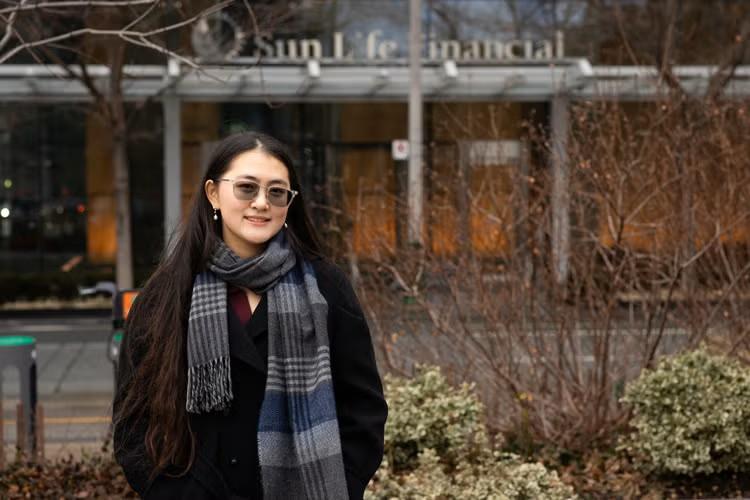
Caitlin Zhang started a podcast to ask alumni what they had done with their economics degrees. Those conversations helped her practise interviewing, while networking at other events led to an adviser role at Sun Life. Computer engineering graduate Leo Li built experience through student clubs and a co-op before receiving an offer from Red Hat.
Tanya Kaur Talwar took a more targeted route: she read a professor's research before writing about their shared interests. She now works in OISE's Mathematical Thinking Lab. At UTM, Valentina Bravo's work-study experience and a proposed careers newsletter preceded her role as a career readiness coordinator. Each found useful opportunities while still exploring what suited them.
Karen Maxwell beside a laboratory bench in a biochemistry lab.
Alumni
The bacterial defences behind a research prize
Karen Maxwell's Gairdner recognition honours discoveries about bacterial immunity and the viruses that may inform future approaches to antibiotic-resistant infections.
Original reporting by Erin Howe
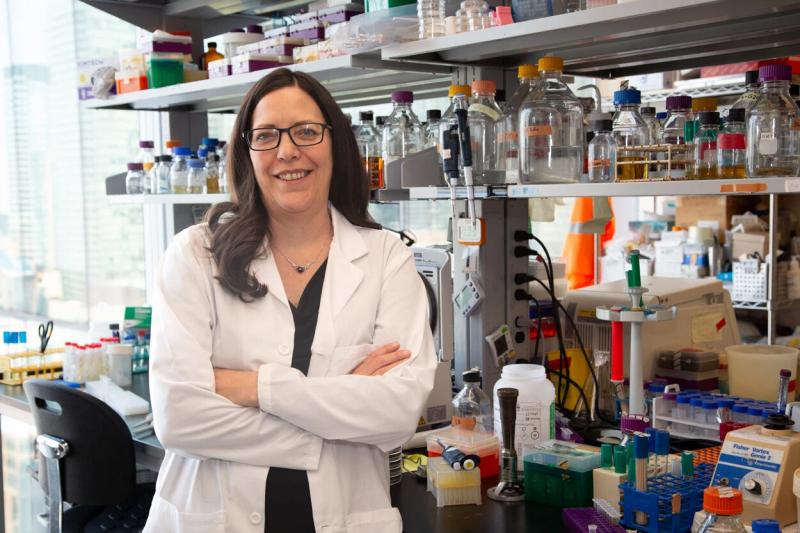
Karen Maxwell received a 2026 Peter Gilgan Canada Gairdner Momentum Award for research on the molecular contest between bacteria and bacteriophages, the viruses that infect them. The U of T biochemistry professor's lab has identified bacterial immune systems and examined how these defences respond to infection.
Some bacteria make small chemical compounds that prevent viral replication. Other protection comes from dormant viral DNA within bacterial genomes. Understanding those mechanisms could help researchers design more precise phage therapies for antibiotic-resistant infections. Maxwell's team also contributed to the discovery of inhibitors of CRISPR-Cas9, work scientists are using to develop more precise gene-editing tools.
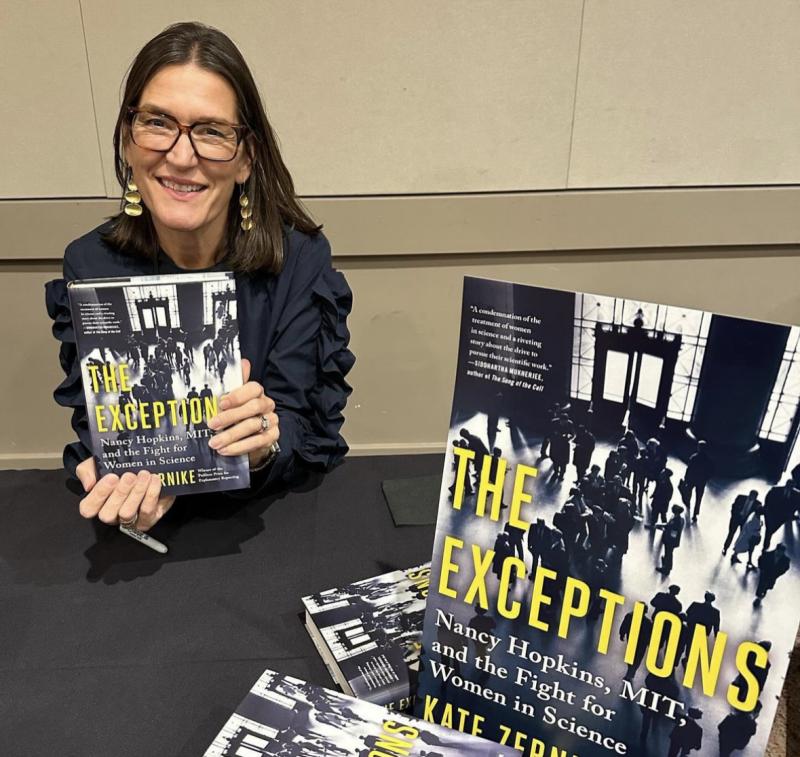
Kate Zernike with The Exceptions in February 2023.
Alumni
Kate Zernike returns to an unfinished story
The journalist revisited MIT's admission of discrimination to examine how subtle barriers persist for women in science and professional life.
Original reporting by Jennifer Matthews
In 1999, Kate Zernike reported MIT's admission that it had discriminated against women on its science faculty. Nancy Hopkins and 15 colleagues had documented their treatment; the institution's acknowledgement became front-page news in The Boston Globe. Almost two decades later, Hopkins wanted Zernike to turn that history into a book.
The Exceptions, published in 2023, grew from that invitation. By then, Zernike had encountered assumptions about motherhood and work in her own journalism career, giving the earlier story a different personal meaning. The Trinity graduate spent three years writing the book, tracing how discrimination can operate subtly enough that those experiencing it take years to recognize the pattern.
Law alumni Andrew Heal and Monica Kowal support the next generation of students.
Alumni
Passing a law-school education forward
Andrew Heal and Monica Kowal support future law students with a view of opportunity shaped by family history and lasting friendships.
Original reporting by Alicia Fung
Andrew Heal and Monica Kowal trace their support for U of T's law faculty to opportunities education created in their own families. Kowal's parents immigrated to Canada without university educations. Heal's father attended university with help from his community, bursaries and scholarships. Both graduates see giving as a way to extend that help.
Their memories of law school include demanding intellectual work and friendships that have lasted more than 40 years. Heal values time spent mentoring alongside financial contributions, even a brief conversation over coffee. He encourages students to study broadly before specializing. Both also urge them to enjoy university life, recalling the friendships and activities that made their own years memorable.
Liam Kaufman works at the intersection of cognitive research and software.
Alumni
Liam Kaufman brings neuroscience into software
Training in medical science and computer science helped the U of T graduate build a company studying speech and cognition.
Original reporting by University of Toronto Alumni
Liam Kaufman earned a medical science master's degree at U of T in 2008, then returned for computer science. Research with Sandra Black at Sunnybrook taught him to ground claims in evidence. Programming offered another kind of problem-solving, and his early classroom-feedback venture was acquired by EventMobi.
In 2015, Kaufman connected with computational linguist Frank Rudzicz and helped start Winterlight Labs, which develops speech-based measures of cognitive impairment and mental health. Cambridge Cognition acquired the company in 2023. Kaufman now guides product and academic work there, drawing on research training and startup experience as the technology expands into more languages and clinical trials.
Megan Ni, a UTM accounting graduate who specializes in owner-manager business tax.
Alumni
Megan Ni takes a different course
A move from science into professional accounting brought the UTM graduate to tax work, teaching and a commitment to mentorship.
Original reporting by Marai Ben Elhoul
Megan Ni began her studies in medicine and biochemistry in China. When she decided to change direction, U of T Mississauga's Master of Management and Professional Accounting program offered a route for someone without a business degree. Its co-op structure and alumni network helped her prepare for work in Canada.
A course in tax opened a field she had not considered. After graduating in 2011, Ni worked across several provinces, gaining experience in compliance, reorganizations and mergers and acquisitions. She now specializes in owner-manager business tax. Alongside her practice, she teaches, contributes to tax literature and serves on a local university board, while continuing to study how technology may change the profession.
Steve Paikin, appointed chancellor of Victoria University. Credit: Neil Gaikwad
Alumni
Steve Paikin returns to Vic as chancellor
The broadcaster's three-year appointment brings him back to the college where he edited sports coverage and called Varsity Blues games.
Original reporting by University of Toronto Alumni
Victoria University has appointed Steve Paikin as chancellor, with a three-year term beginning July 1, 2026. The Victoria College graduate succeeds food activist Nick Saul. His duties include presiding at convocation, conferring degrees and chairing the university's Senate. A formal installation is planned for the fall.
Paikin's journalism began on campus, where he was sports editor of The Newspaper and broadcast hockey and football on U of T Radio. He later hosted TVO's The Agenda for 19 seasons, until June 2025. He continues to cover public affairs through podcasts and television, and has moderated nine federal and Ontario leaders' debates.
Yan Wu, public art curator and Daniels PhD student. Credit: Mark BennettWu takes a selfie at Site of Reversible Destiny, Yoro Park, in Gifu, Japan. Credit: Yan Wu
Alumni / Students
Yan Wu brings art into everyday spaces
The Markham curator and Daniels doctoral student helped bring a 43-minute sound installation to a cancer centre in Barrie.
Original reporting by Nina Haikara
Yan Wu's route to public art included a computer science degree and five years working in that field. She sees a connection between software processes and conceptual art. After earning her Master of Visual Studies in 2015, she worked in Shanghai and at U of T's Art Museum; she is now Markham's public art curator and a Daniels PhD student.
A breast cancer diagnosis in 2023 prompted her to imagine art in hospital spaces. With fellow patients Kara Hamilton and Patricia Ritacca, Wu formed the collective CMBT. They brought Scott Rogers's soundscape Between Leaf & Light to Barrie's Hudson Regional Cancer Centre, exploring how art might change patients' experience of care.
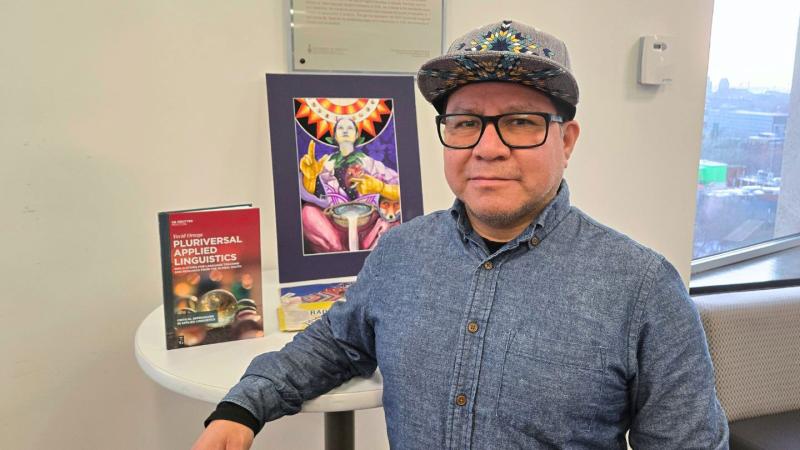
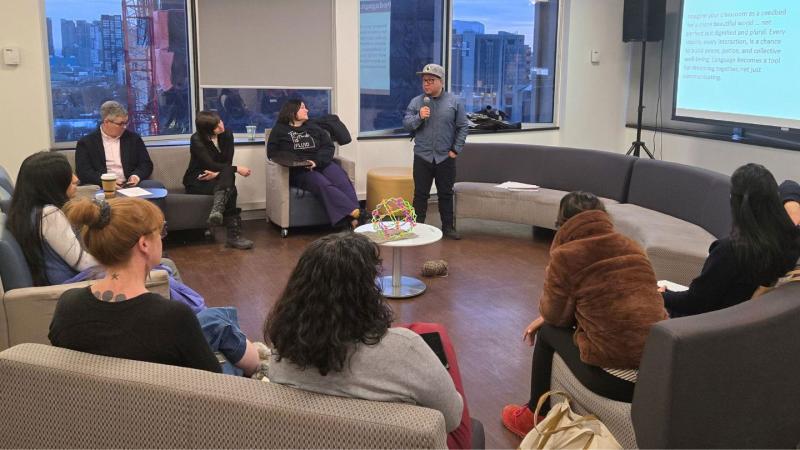
Yecid Ortega at his December 2025 book launch in OISE's Nexus Lounge. Credit: Sharmeen SomaniOrtega speaks to guests at the OISE book launch. Credit: Sharmeen Somani
Alumni
A dictionary set Yecid Ortega's course
The OISE graduate's new book draws on teaching and research to question English dominance and centre knowledge from the Global South.
Original reporting by Sharmeen Somani
Yecid Ortega began learning English with a bilingual dictionary his mother gave him in Bogotá. He later trained as a teacher, worked in Chicago and founded iLanguage Kids in Canada. The children's Spanish program expanded into several languages, with a team of about 10 instructors.
At OISE, Ortega earned a master's degree in 2015 and a doctorate in 2021. His research connected language teaching with social justice and ethnography. His book, Pluriversal Applied Linguistics, challenges Eurocentric approaches and considers emotion, spirituality and lived experience in language learning. Launched in December 2025, it draws on years of teaching and collaboration across continents.
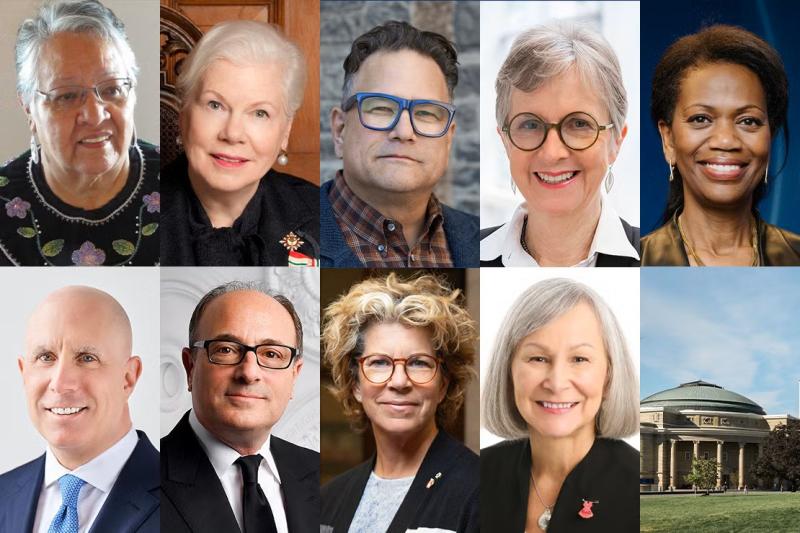
U of T's 2026 honorary degree recipients include Indigenous educators and legal leaders, a stem cell scientist and an Olympic rower.
Original reporting by Adina Bresge
U of T has announced nine honorary degree recipients for its spring and fall 2026 convocations. They include Indigenous education scholar Eileen Antone, SickKids Foundation chief Jennifer Bernard, former judge Marion Buller and philanthropist Gregory David. Former Ontario lieutenant-governor Elizabeth Dowdeswell is also among the honorees.
Film producer Martin Katz, Olympic rower and senator Marnie McBean, developmental biologist Janet Rossant and arts leader Jesse Wente complete the group. The university recognizes work ranging from Indigenous languages and access to health care to Canadian cinema and research ethics. Recipients are expected to address graduating students during the ceremonies.
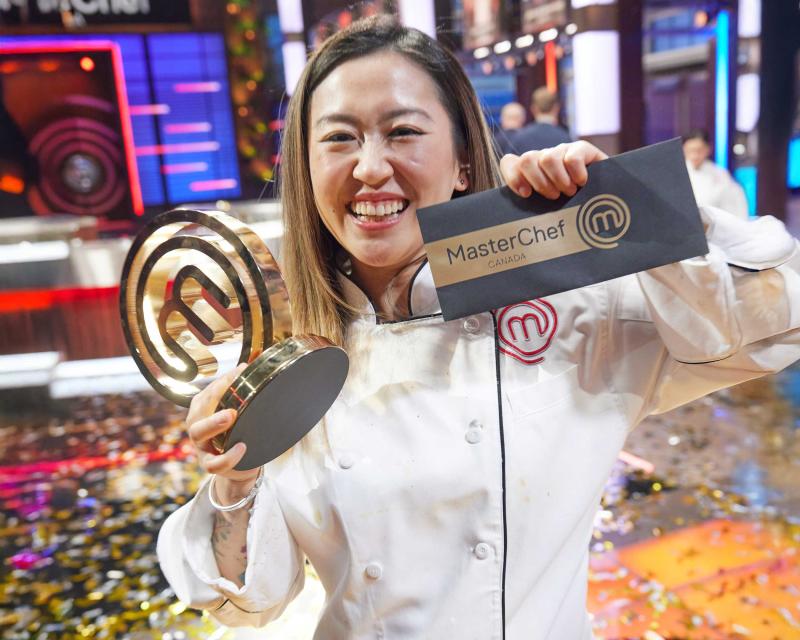
Veronica Wu with her trophy after winning MasterChef Canada's eighth season. Credit: Courtesy of Bell Media
Alumni
Veronica Wu weighs her next kitchen move
After winning MasterChef Canada, the Rotman graduate is considering professional kitchen experience while continuing her data engineering career at Unilever.
Original reporting by Meaghan MacSween
Veronica Wu won the eighth season of MasterChef Canada in December 2025, emerging from a field of 15 home cooks. An early challenge shook her confidence, but her signature braised pork belly with potato puree and pickled radish helped her advance. Fellow U of T graduate Liz Worndl also reached the final three.
Wu earned Rotman's Master of Management Analytics in 2019 and joined Unilever as a data scientist. She now manages a data engineering team there. Cooking remained a way to socialize through university and later became a creative outlet. Following her win, she is considering culinary training and restaurant placements, with a possible Chinese or Chinese fusion restaurant in mind.
Hilda Gan, nursing graduate and president of People Bright Consulting.
Alumni
Hilda Gan carries nursing into business
The former ICU nurse drew on clinical teaching, management and computing experience to build an engineering company and a workplace consultancy.
Original reporting by University of Toronto Alumni
Hilda Gan supported her nursing studies by working in Toronto General Hospital's relief pool. After graduating in 1975, she chose intensive care, later teaching ICU nurses in Calgary and moving into management. At Scarborough Hospital, she led critical care and helped introduce computerized patient information systems in the early 1990s.
A U of T master's degree in health administration preceded her move into engineering. Gan and her husband grew iTRANS Consulting from two employees to more than 100 across seven Canadian offices. She now leads People Bright Consulting, where her REVUP framework draws on values she associates with nursing. She also hosts a podcast about leadership.
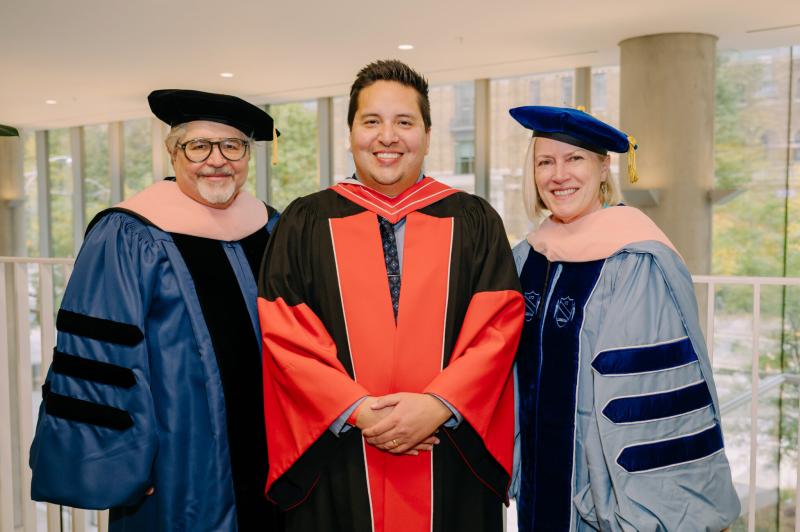
From left: Ted Witek, Zachary Miller and Anne Wojtak at convocation. Credit: Katia Taylor
Alumni
Zachary Miller completes Canada's first DrPH
The Six Nations public health leader studied pandemic leadership in the inaugural cohort of Dalla Lana's professional doctoral program.
Original reporting by Ishani Nath
Zachary Miller became the first graduate of a Canadian Doctor of Public Health program at his October 2025 convocation. He entered Dalla Lana's inaugural cohort in 2021 while working in the Six Nations pandemic response. Miller is Kanienʼkehá:ka from Six Nations of the Grand River, where his career has included health care, research and data analytics.
His dissertation examined leadership lessons from the 1918 influenza pandemic and their possible use in future emergency responses. The program is designed for mid-career professionals applying research to policy and practice. Miller credits his family, community and ancestors for helping him reach graduation; his dissertation was accepted without revisions.
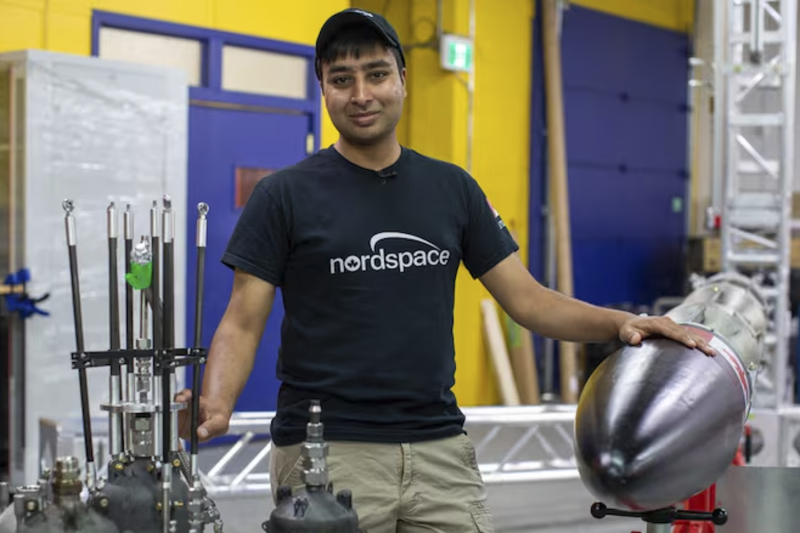
Rahul Goel at NordSpace's manufacturing facility in Markham, Ontario. Credit: Courtesy of NordSpace
Alumni
NordSpace prepares Taiga for another launch attempt
Rahul Goel's company is preparing a suborbital flight after cryogenic propellant problems delayed an earlier attempt at its Newfoundland spaceport.
Original reporting by Samantha Younan
NordSpace is preparing another attempt to launch its Taiga rocket after a technical problem with cryogenic propellants delayed a flight in fall 2025. A successful suborbital launch would be the first Canadian commercial rocket flight from a private Canadian spaceport. Founder Rahul Goel established the company in 2022 to build and launch rockets in Canada.
Goel graduated in aerospace engineering in 2016 and is pursuing a doctorate at U of T's Institute for Aerospace Studies. He previously founded event-management company PheedLoop, with early support from the university's Entrepreneurship Hatchery. Alongside Taiga, NordSpace is developing larger Tundra and Titan rockets and planning its first satellite.
Peter Fritz alongside an AI-generated version of his likeness.
Alumni
Peter Fritz puts AI on dentistry's agenda
A new U of T lectureship will bring outside perspectives into discussions about artificial intelligence, clinical judgment and patient trust.
Original reporting by University of Toronto Alumni
Periodontist Peter Fritz has established a Lectureship in AI Enhanced Dentistry at U of T. The dental and doctoral graduate wants clinicians and researchers to examine emerging technology critically, with patient trust central to the discussion. His interest grew from questions about how AI might change teaching, diagnosis and professional decisions.
Fritz has pursued studies beyond clinical practice, including business, law and innovation. He wants the lectureship to draw on that same breadth by inviting thinkers from other sectors. Examples he identifies include finance, logistics and public health. The aim is a forum for exploring possible uses and ethical questions, with attention to compassion and access to care.
Professional preparation means testing tools, translating across disciplines and explaining decisions.
What should professional education preserve when AI changes how work gets done? A July 2026 account of leadership changes in U of T’s health informatics programs offers one answer. Incoming Master of Health Informatics director Felipe Cepeda emphasizes communication across disciplines, feedback and navigating competing priorities. Alongside technical competence, students need to explain decisions to people who bring different expertise and responsibilities to the same problem.
Karim Keshavjee, focusing on the Executive MHI program, anticipates changes to entry-level career pathways as AI develops. That is a program leader’s assessment of the future, not a measured count of displaced jobs. The account instead makes a useful curricular distinction: familiarity with AI should sit beside judgment about evaluation, governance and the consequences for care. These are educational priorities, not evidence that every graduate or workplace has already adopted a particular approach.
At UTSC, the AI in Management Lab’s public description offers another form of preparation: projects, portfolio development and workshops that include ethical considerations alongside technical topics. Its existence demonstrates an opportunity to practise, not a participation rate or employment result. Our editorial reading is that students benefit from making their reasoning visible: what a prototype does, where it fails, whose needs it serves and which decisions remain theirs to defend.
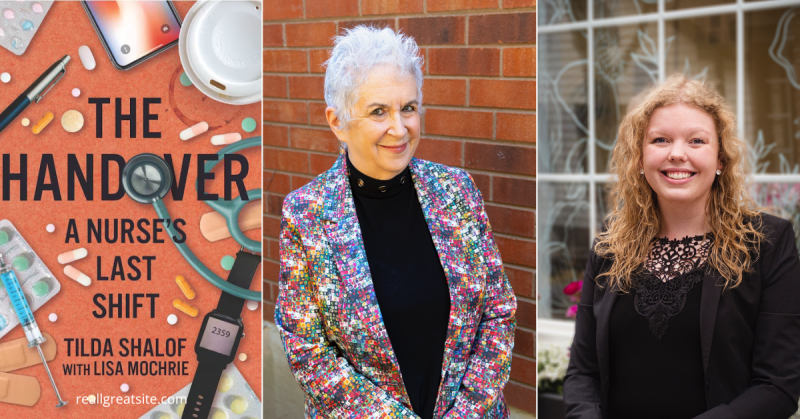
Tilda Shalof and Lisa Mochrie appear beside the cover of The Handover.
Alumni
Two nurses put their handover into print
Tilda Shalof and Lisa Mochrie draw on their mentorship to discuss bedside work, burnout and the pressures facing new nurses.
Original reporting by University of Toronto Alumni
Tilda Shalof's latest book, The Handover: A Nurse's Last Shift, borrows its title from the exchange that helps nurses pass patient care to the next shift. Written with nurse Lisa Mochrie, it combines stories from Shalof's long career with conversations about entering the profession.
The pair met at a national nursing conference in 2020, when Mochrie was still a student. Their friendship developed through the pandemic. The book addresses racism, burnout and retention, alongside worries about licensing exams and difficult patient encounters. Shalof hopes younger nurses will see possibilities in bedside care, while Mochrie wants experienced colleagues to understand the pressure newcomers face.
Afua Cooper, historian and leader of A Black People's History of Canada. Credit: O'shane Howard
Alumni
Afua Cooper brings overlooked histories into view
The historian's national education project pairs research with classroom resources and a map of nineteenth-century Black businesses in Toronto.
Original reporting by Alice Lawlor
Afua Cooper leads A Black People's History of Canada, a research and education project that brings Black Canadian history into classrooms and public discussion. A U of T history and women's studies professor, she earned all three of her degrees at the university and participated in student anti-apartheid activism.
Her examples include Clement Ligoure, a physician denied hospital privileges in Halifax who opened his own hospital and treated explosion victims in 1917. She also recounts Lulu Anderson's unsuccessful 1922 court challenge after racist treatment at an Edmonton cinema. The project works with teachers on lesson plans and is mapping Black-owned Toronto businesses from 1850 to 1900.
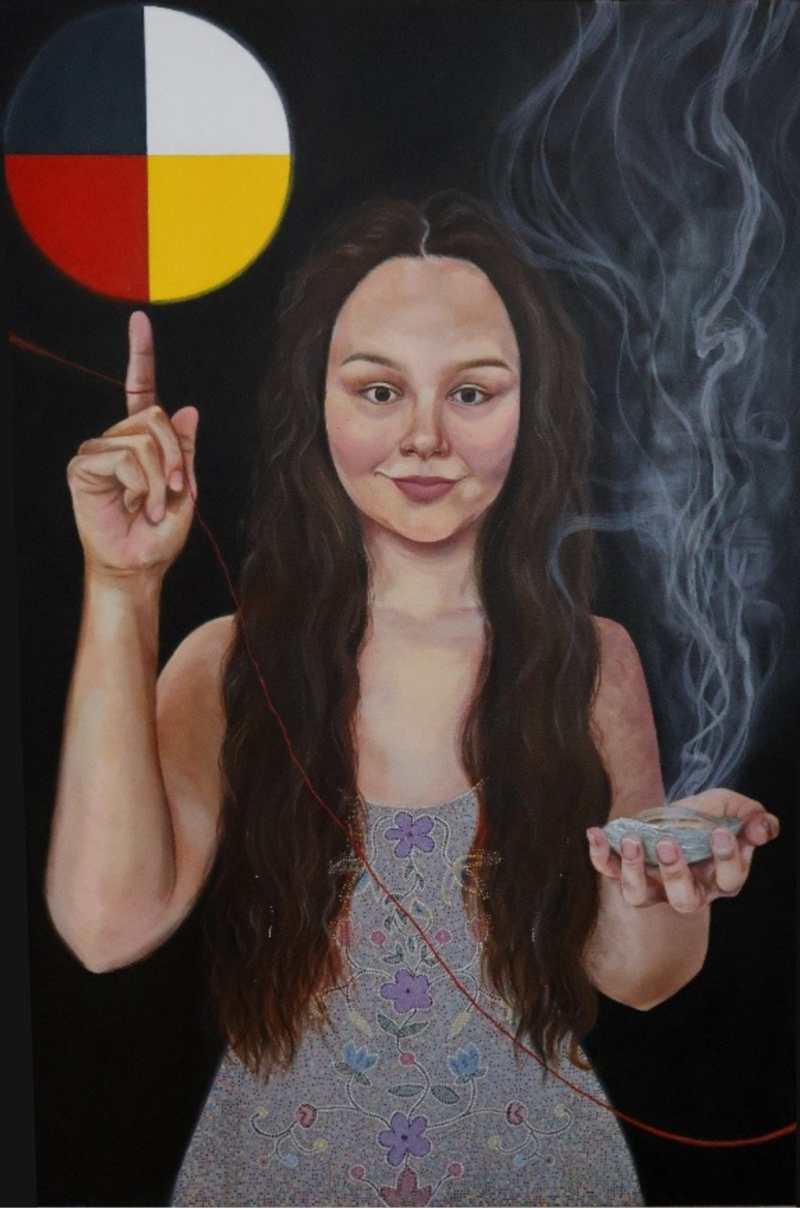
Jasmine Wemigwans's acrylic self-portrait connects information studies with her Anishinaabe worldview. Credit: Artwork by Jasmine Wemigwans
Alumni
Jasmine Wemigwans paints a thread of knowledge
An acrylic self-portrait connects the information graduate's Anishinaabe worldview with questions about how libraries classify and respect Indigenous knowledge.
Original reporting by University of Toronto Alumni
Jasmine Wemigwans returned to painting during her Master of Information studies, using an acrylic self-portrait to connect coursework with her Indigenous identity. From Wiikwemkoong Unceded Territory and of mixed Ojibwe heritage, she reworked Leonardo da Vinci's Saint John the Baptist through an Indigenous lens. Her hand points toward a Medicine Wheel.
A red thread links the painting to an information studies concept introduced in Jenna Hartel's course and to threads used in tobacco ties and medicine bundles. An Ontario Arts Council bursary paid for supplies. After graduating in 2025, Wemigwans began developing an Indigenous data sovereignty protocol at U of T's Technoscience Research Unit.
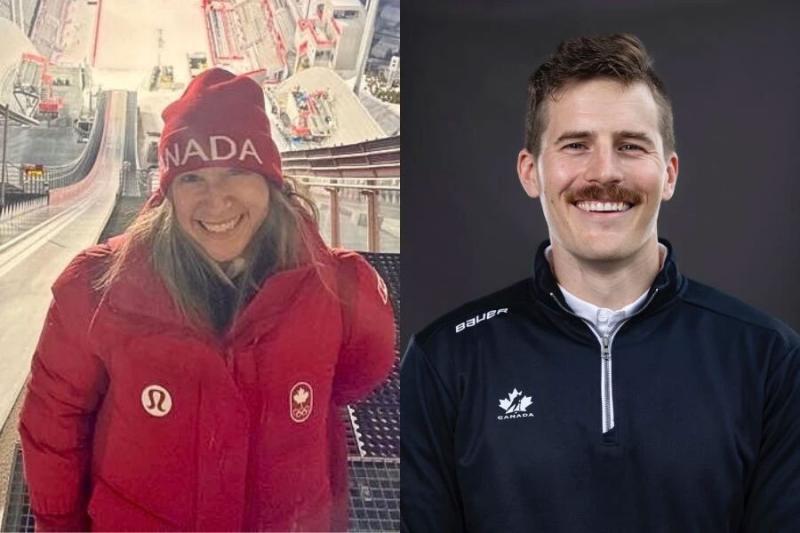
Gabrielle De Serres, Paul Poirier and Luka Stoikos in a composite image.Paul Poirier, named to Canada's ice dance team for a fourth Olympics.
Alumni
Varsity Blues alumni take their winter places
The Milano Cortina roster includes hockey player Gabrielle De Serres, ice dancer Paul Poirier, bobsledder Luka Stoikos and official Justine Todd.
Original reporting by Jill Clark
Four Varsity Blues alumni are among those named for the 2026 Winter Olympics in Milano Cortina. Gabrielle De Serres joins France's women's hockey team after a U of T career that included a provincial championship. Canadian ice dancer Paul Poirier enters his fourth Olympics, having won an OUA freeskate title during his season with the Blues.
Luka Stoikos qualifies for Canada's bobsled team less than a year after the BC Lions drafted him. At U of T, he competed in football and track and field. Justine Todd returns for her third Olympics as a women's hockey official; she played for the Blues from 2002 to 2007.
Sport physical therapists Mireille Landry and Michael Lenart.
Alumni
The therapists behind Canada's winter teams
Mireille Landry and Michael Lenart bring years of sport physiotherapy work to Canadian figure skating and para hockey in Italy.
Original reporting by Rachel LeBeau
Mireille Landry is heading to the Milano Cortina Olympics with Skate Canada, supporting athletes in ice dance, pairs and singles. The U of T rehabilitation sciences graduate has worked with the organization for more than a decade. Her relationships with skaters often begin with injury prevention and education when they are young.
Michael Lenart will support Canada's para hockey team at the Paralympics. A 2014 physical therapy graduate, he has spent seven years with the team's integrated support staff. His work includes adapting training around injuries and individual impairments. Away from competition, Landry works in cardiac rehabilitation and other clinical roles; Lenart practises at a Newmarket clinic.
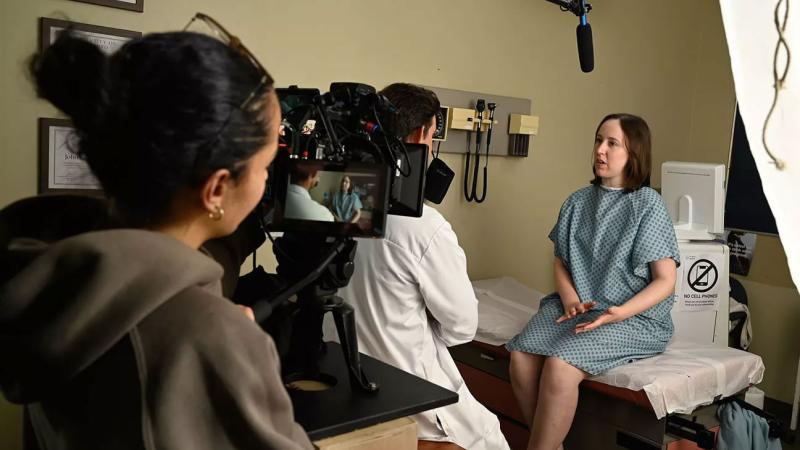
Sarah Hime, right, plays Alice during a scene from Alice is Fine. Credit: Frances Juriansz
Alumni
Sarah Hime turns pain into a film
The UTM actor wrote, produced and starred in Alice is Fine, drawing on her experience of chronic pelvic pain.
Original reporting by Megan Easton
Sarah Hime's first filmmaking project grew from years of chronic pelvic pain and frustration with medical care. In the 2025 short Alice is Fine, she plays a woman seeking help while confronting gender bias. Hime wrote and produced the film as well as taking the lead role.
The 2017 UTM theatre and drama studies graduate recruited former classmates she trusted. Bryn Kennedy co-produced the film, and Ben Steele Caldwell plays a medical student. Hime credits campus experience in acting, stage management, costumes and props with preparing her for multiple responsibilities. She also built humour into the story's difficult encounters, hoping patients would recognize their own experiences.
Alphonse Daniel with Hart House's Youth Advisory Council.
Alumni
Alphonse Daniel keeps Hart House connections open
The Youth Access co-lead works with high school students through arts, recreation and leadership sessions, often staying connected beyond their programs.
Original reporting by Megan Wykes
At Hart House, Alphonse Daniel co-leads Youth Access programming for high school students. His work includes leadership sessions, arts and recreation, alongside community events and work-readiness programs. A 2020 UTSC graduate, he is also studying for a Master of Social Work at U of T.
Daniel describes relationships that continue after a placement or workshop ends. Former participants have returned as university students and Hart House employees. One former co-op student, Sean Chen, sought Daniel's support after a friend's death and later volunteered with youth mental health services. The Hart House Innovation Fund supports the access initiatives, including participant subsidies and program costs.
Krystal Brant, a 2025 Master of Social Work graduate.
Alumni
Krystal Brant brings teaching into health care
The social work graduate trains Niagara Health staff on Indigenous history, trauma and practical ways to support patients and families.
Original reporting by University of Toronto Alumni
After a decade in education, Krystal Brant enrolled in U of T's Indigenous Trauma and Resilience social work program to develop counselling skills. She had expected to return to teaching. Instead, her studies and work in addiction treatment led her to Niagara Health, where she became an Indigenous Relations Specialist.
Brant educates employees about Indigenous history, healing traditions and intergenerational trauma. Her work includes helping staff explain available supports and facilitate traditional ceremonies and medicines in hospitals. She completed her master's degree in 2025 while working, raising five children and serving as president of the Ontario Native Women's Association. She credits her Indigenous colleagues and university support network with sustaining her.
Sidoné Grange, UTM biology graduate and former Black Students' Association co-president. Credit: Angelia BaccarellaThe interim Black Student Space opens at UTM in April 2024. Credit: Angelia Baccarella
Alumni
Sidoné Grange studies viruses and builds community
The UTM biology graduate combined aquatic virus research with student leadership before beginning a master's degree in biomedical engineering.
Original reporting by Tina Adamopoulos
Sidoné Grange stayed at UTM for a final research summer after graduating in 2025. In Steven Short's lab, she examined viruses that infect freshwater algae. Two undergraduate research awards supported work on a viral genome and, later, comparisons of how another strain infected algal cells.
Outside the lab, Grange co-led the Black Students' Association, started its mentorship program and helped establish an interim Black Student Space at the Kaneff Centre. A hospital research placement, where she spoke with patients about their treatment, strengthened her interest in medicine. She began a master's in biomedical engineering at Toronto Metropolitan University in fall 2025.
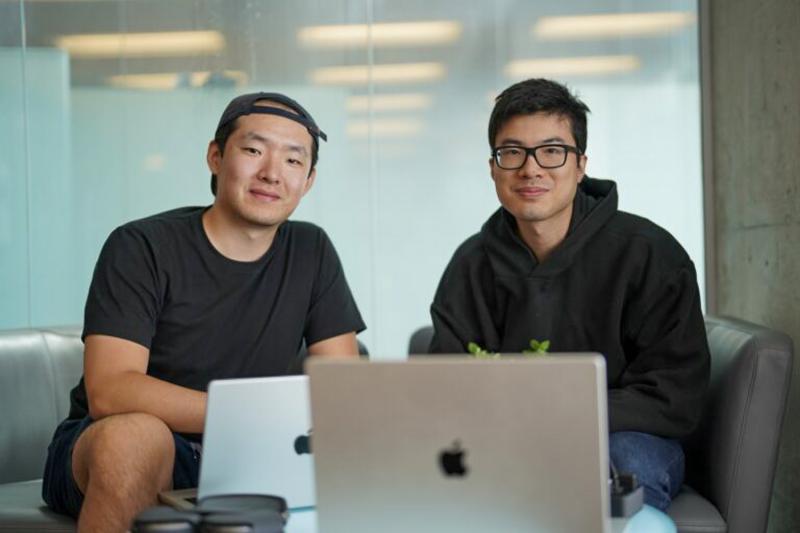
Syncere founders Aaron Tan, left, and Angus Fung. Credit: Courtesy of Aaron Tan
Alumni
A floor lamp takes on laundry
Syncere founders Aaron Tan and Angus Fung designed Lume after early customers found humanoid robots too intrusive for their homes.
Original reporting by Amanda Hacio
Aaron Tan and Angus Fung changed direction after testing humanoid robots in homes and hotels. Customers found the machines too bulky and intrusive. Their startup, Syncere, developed Lume: a floor lamp designed to reveal robotic arms and a camera, fold nearby laundry, then return to lamp form.
The U of T engineering graduates studied human-robot interaction in Goldie Nejat's lab. Lume uses imitation and reinforcement learning, with motor controls and sensor shutters built into its design. A concept video attracted more than four million views in July 2025; the company subsequently closed a US$3.5-million pre-seed round. Laundry folding is its current focus, with other tasks envisioned for later.
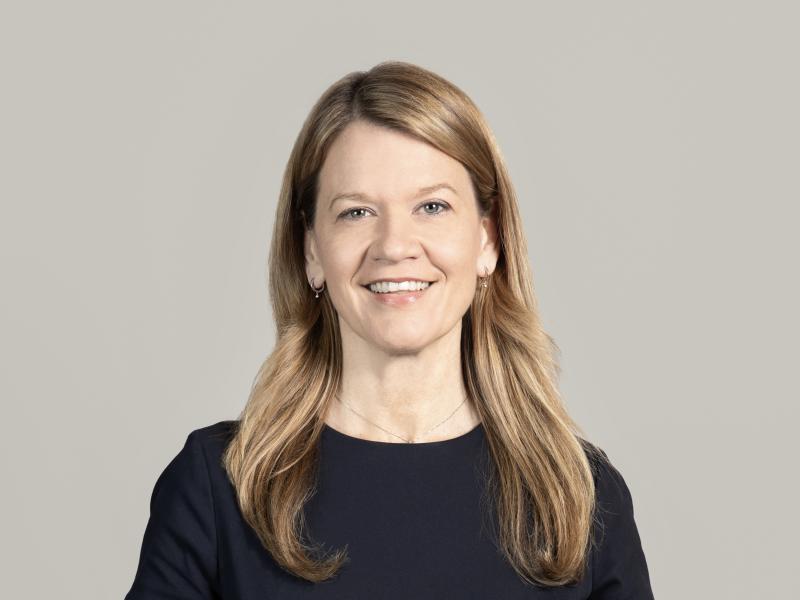
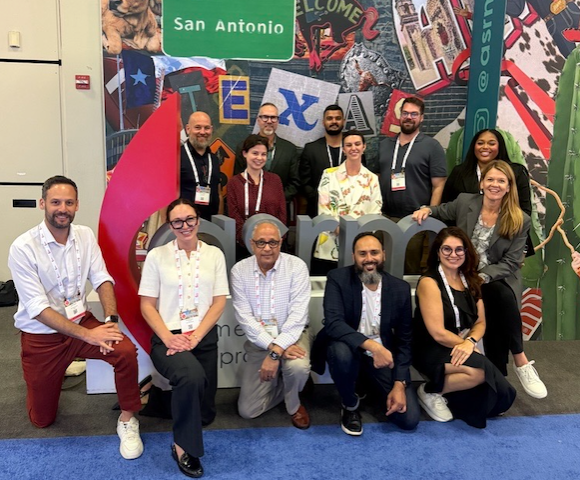
Heather Stark, chief financial officer of The Fertility Partners.Stark with Fertility Partners colleagues at the ASRM Scientific Congress and Expo in Texas.
Alumni
Heather Stark reads the story behind numbers
The Fertility Partners CFO traces her approach to a degree spanning arts and commerce, and classes taken while working.
Original reporting by Marai Ben Elhoul
Heather Stark combined Canadian Studies and Commerce at U of T while supporting herself through work. She began at University College, later taking UTM courses after moving to Oakville. Smaller classes and flexible study helped her continue while working at PricewaterhouseCoopers. She credits her arts training with strengthening her ability to interpret financial information.
Stark later became CFO of Weight Watchers International during a restructuring, managing $1.5 billion in debt and communicating with investors and analysts. She now leads finance at The Fertility Partners. Her stated priorities include understanding people's circumstances before introducing change and making strategy clear enough to act on. She hopes eventually to become a CEO.
Order of Canada medals. Credit: Sgt Johanie Maheu, Rideau Hall, OSGG-BSGG
Alumni / Volunteer & Awards
U of T ties among national honourees
The December 2025 Order of Canada appointments recognize university community members working in law, medicine, education and the arts.
Original reporting by University of Toronto Alumni
Members of the U of T community were among 80 people appointed to or promoted within the Order of Canada on December 31, 2025. Retired Supreme Court justices Rosalie Abella and Michael Moldaver were named Companions. Lung transplant surgeon Shaf Keshavjee was promoted to the same rank.
The list also includes epidemiologist Allison McGeer, recognized for outbreak response, and John Willinsky, whose publishing work expands public access to research. Children's author Elizabeth MacLeod was named a Member, as was nursing leader Michael Villeneuve. Raffi Cavoukian was promoted to Companion for work supporting children's rights and well-being through music.
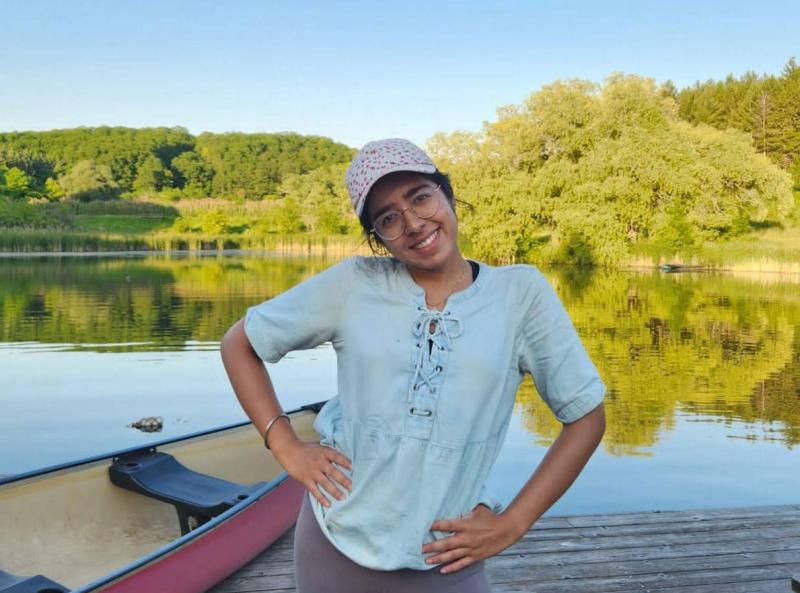
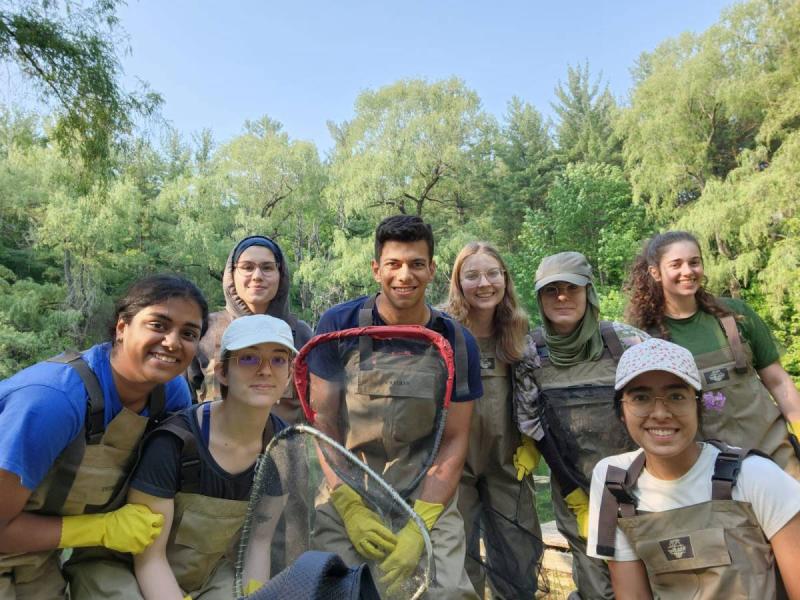
Hargun Rekhi beside the lake at Koffler Scientific Reserve.Rekhi, second from right, joins aquatic sampling at Koffler Scientific Reserve in 2023.
Alumni
Fieldwork helped Hargun Rekhi find her place
A summer at Koffler Scientific Reserve preceded campus sustainability work on waste, clothing swaps and a conference connecting college groups.
Original reporting by Georgia Laidlaw
Hargun Rekhi struggled to find community during her first two pandemic-era years at U of T. A summer research placement at Koffler Scientific Reserve changed that. Living with eight other students, she combined an independent project with groundskeeping and says the friendships helped her feel connected to science.
She later served as University College's student sustainability commissioner and worked with the president's environmental advisory committee. Her projects included a waste audit, reusable cup sales, clothing swaps and an inter-college sustainability conference. After graduating in environmental science in June 2025, Rekhi began graduate studies at York University focused on Indigenous sovereignty and community consultation.
Arda Minocherhomjee, pharmacology graduate and private equity investor.
Alumni
Arda Minocherhomjee returns support to doctoral students
The pharmacology graduate and private equity investor has committed to a research award after scholarships helped fund his own education.
Original reporting by University of Toronto Alumni
A Connaught Scholarship brought Arda Minocherhomjee from India to U of T, where he earned a master's degree in 1978. He studied how drugs bind to serum albumin before pursuing a doctorate and MBA at UBC and postdoctoral research at the University of Washington.
A job advertisement prompted his move into financial analysis. He later became a partner at William Blair and co-founded Chicago Growth Partners, which managed US$1.2 billion. Now a managing partner at Nassau Street Partners, he has committed to establishing a doctoral research award for pharmacology and toxicology students at U of T. He links his giving to the scholarships and fellowships that supported him.
Fill each row, column and 3 × 3 box with the digits 1–9, once each. Given numbers are fixed. Use Tab or arrow keys to move between cells. Check marks incorrect entries; reset clears your entries; reveal shows the solution.


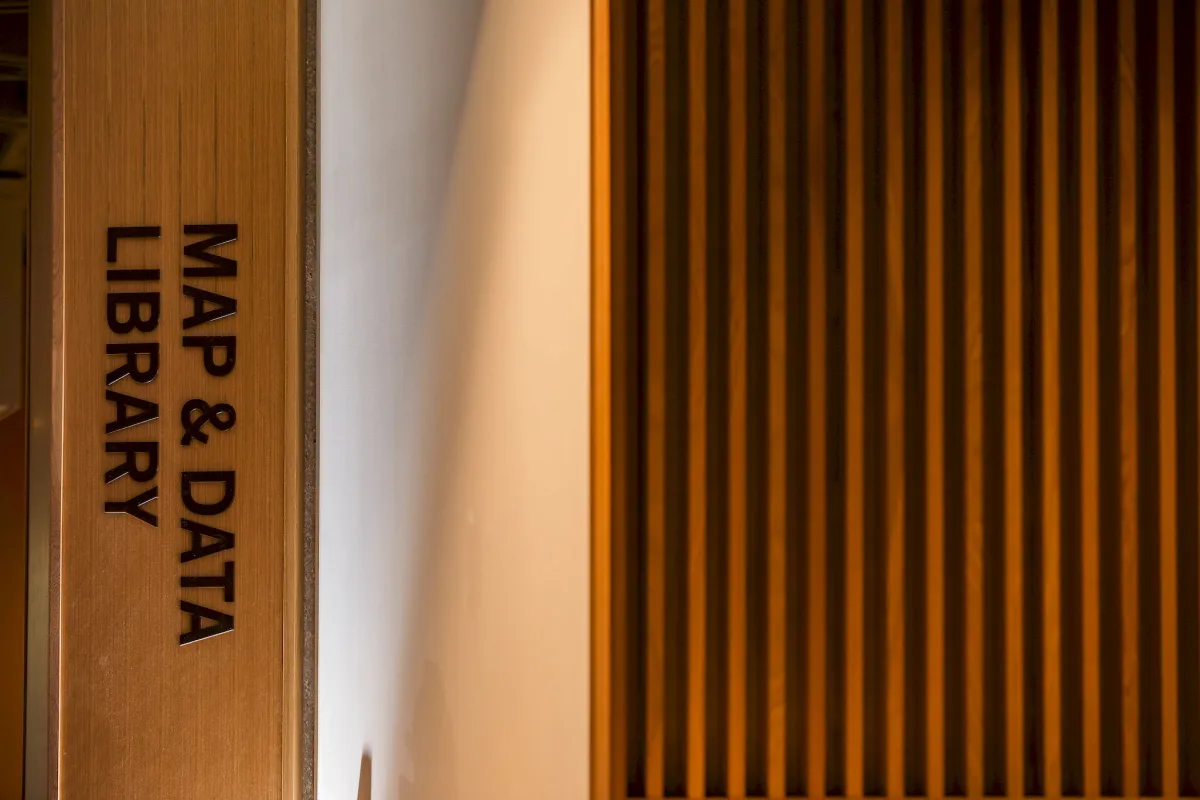
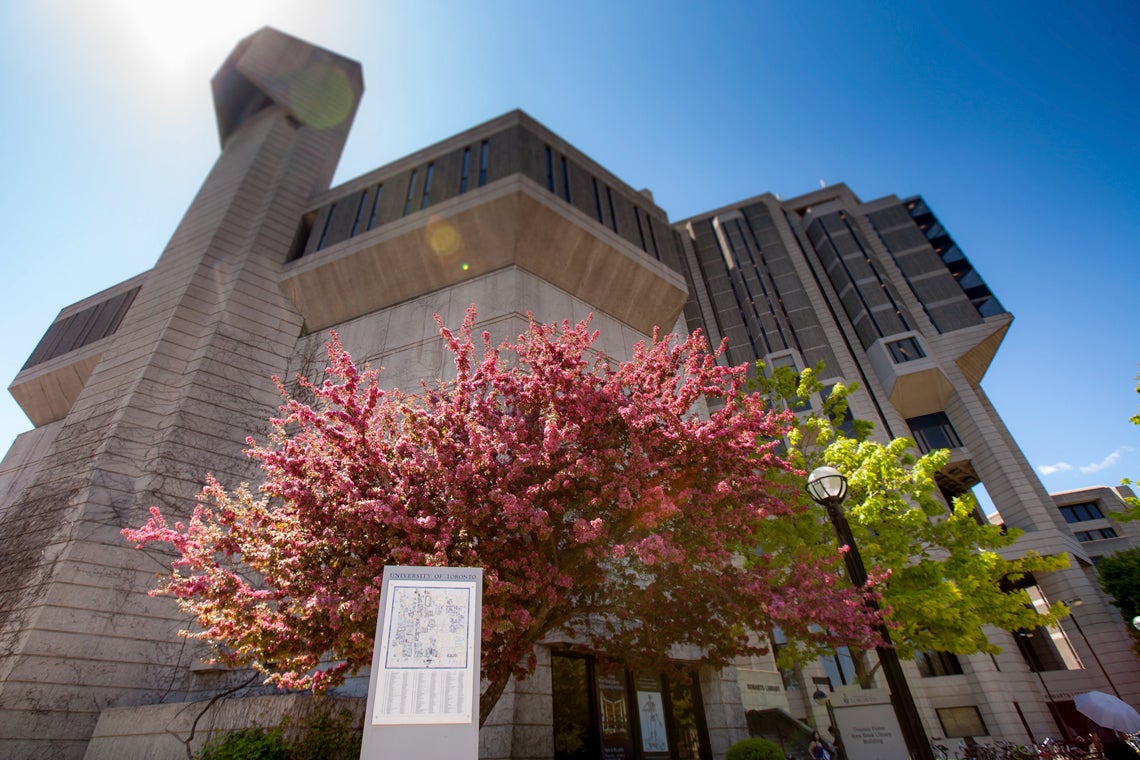
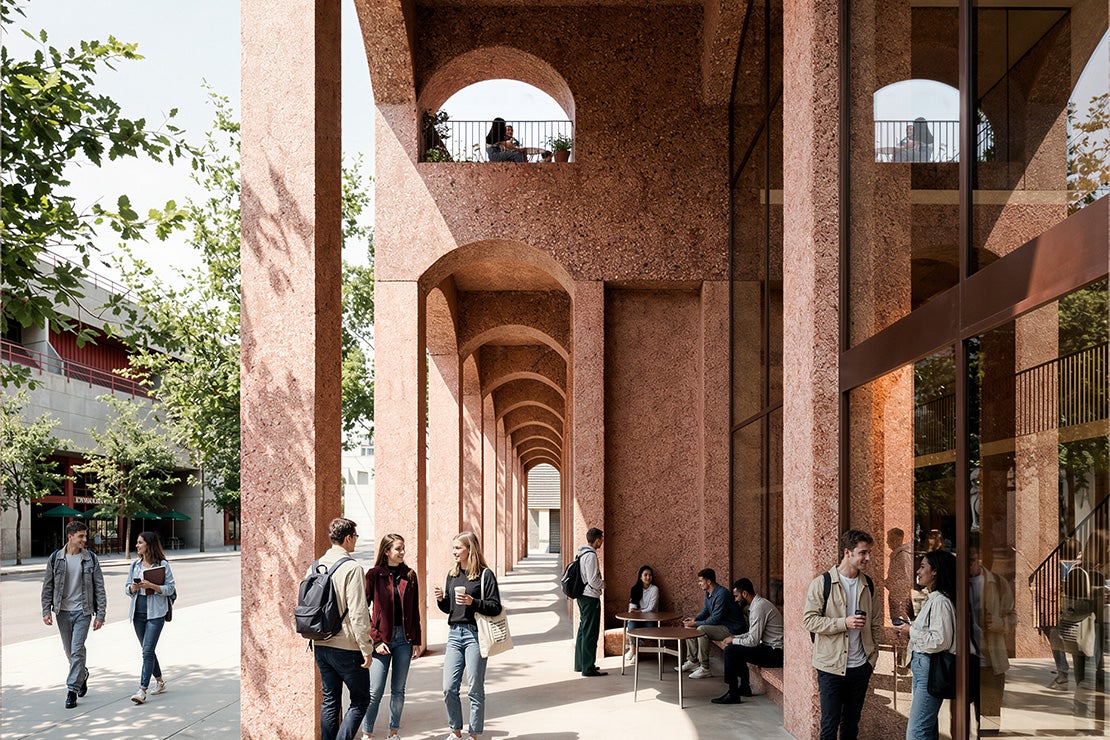
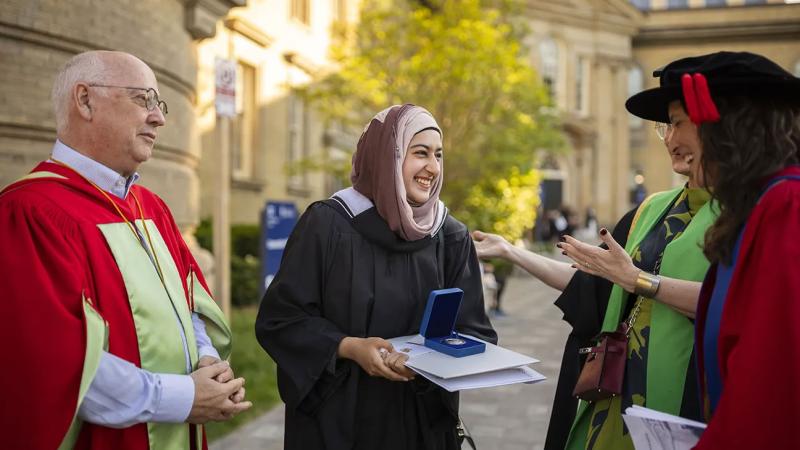
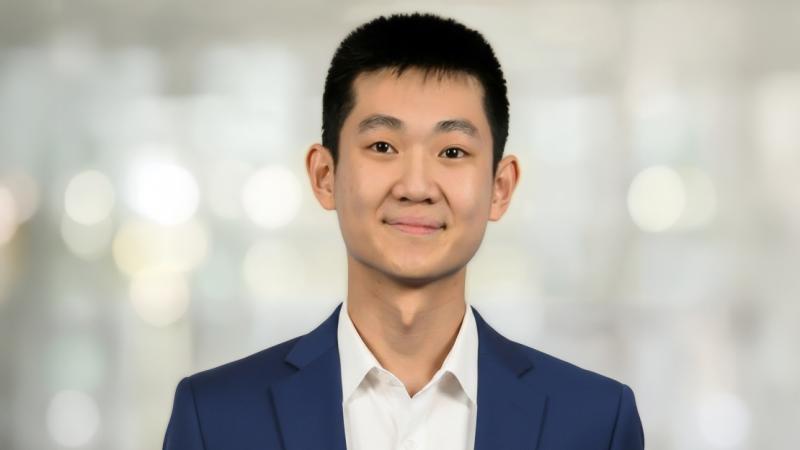
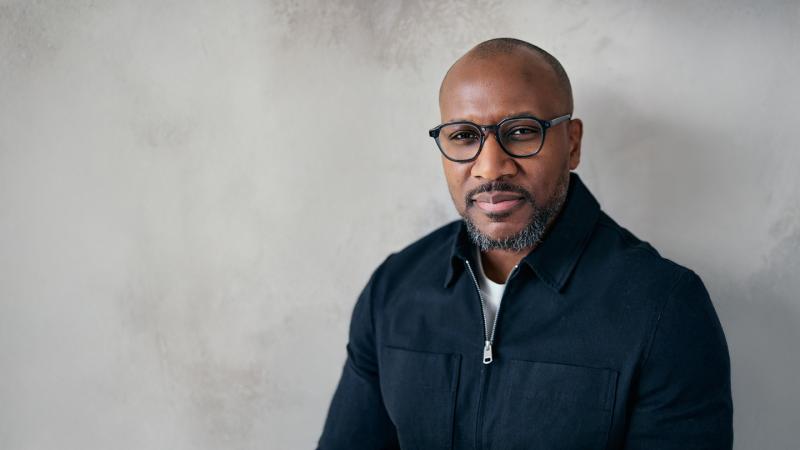
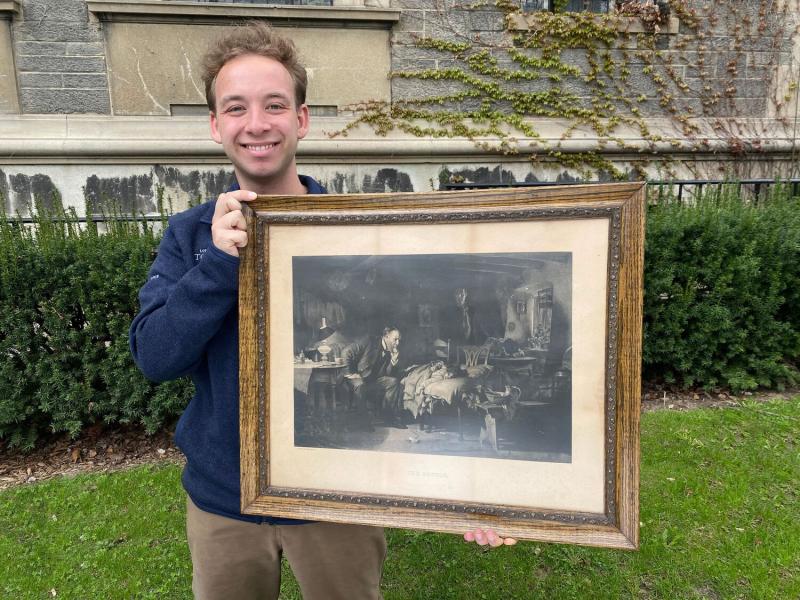


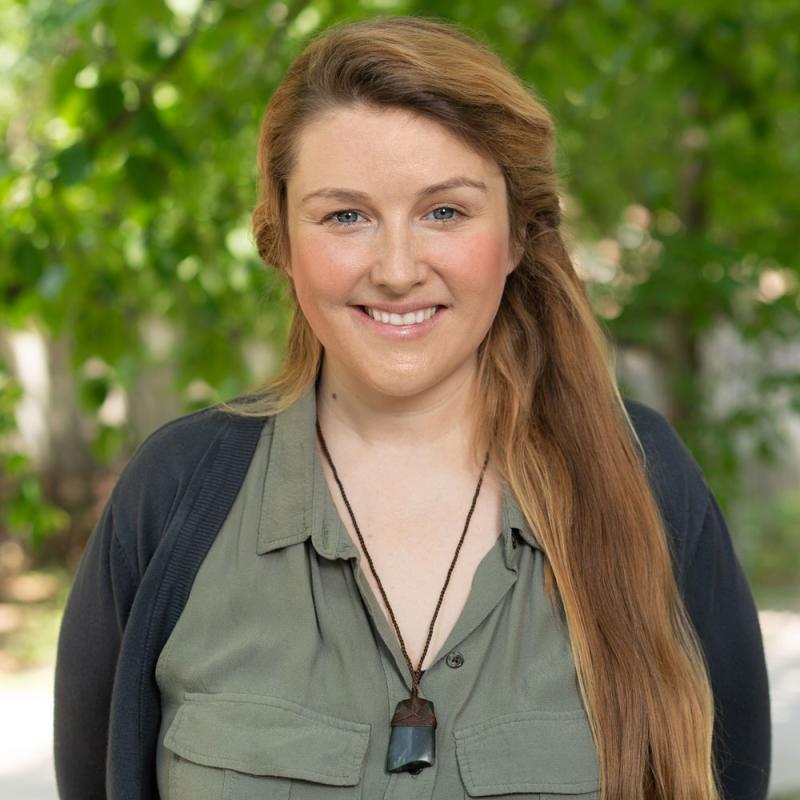

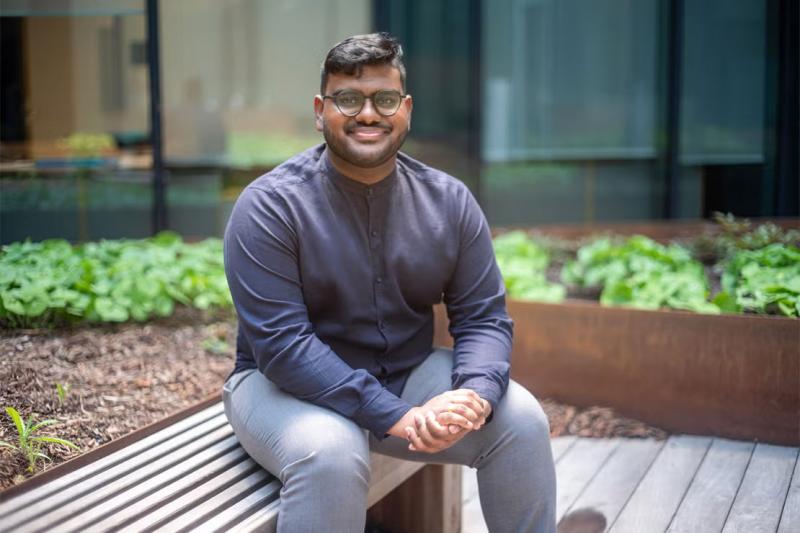
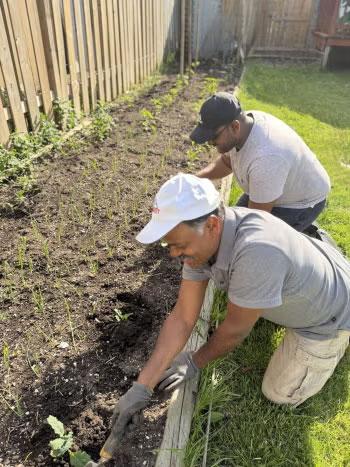

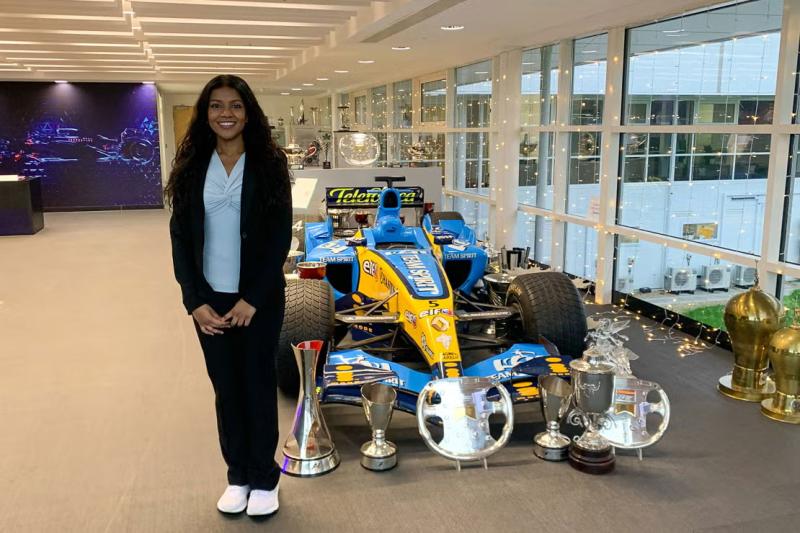
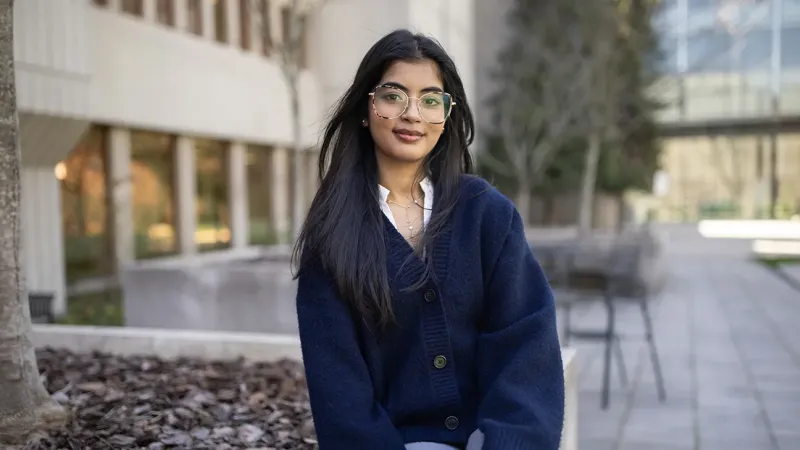
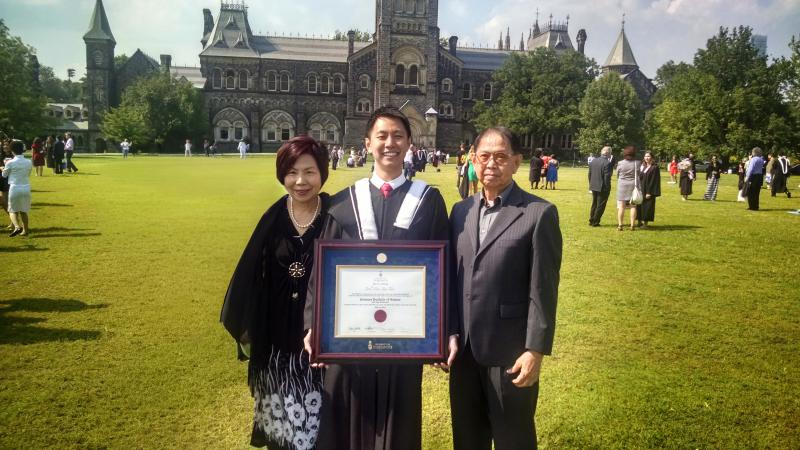
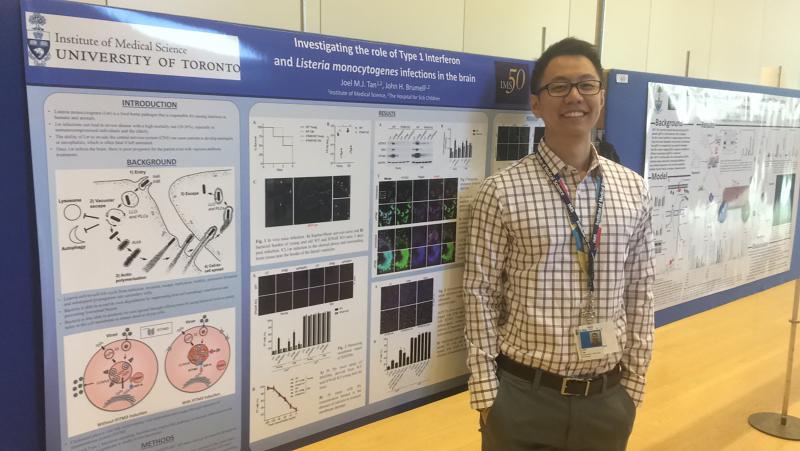
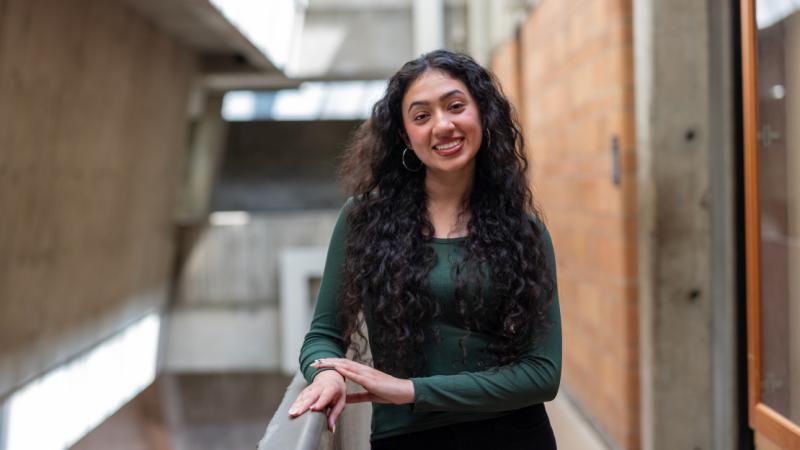
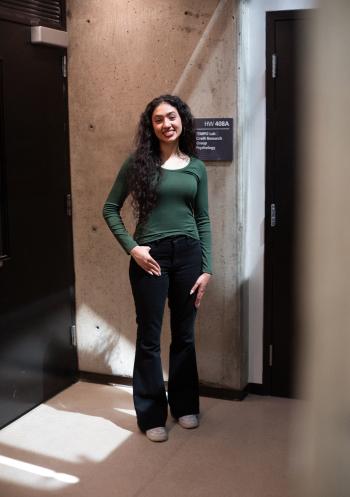

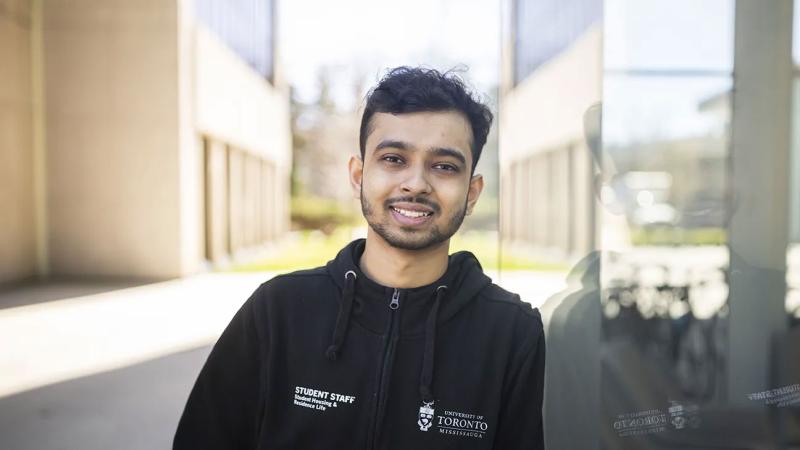
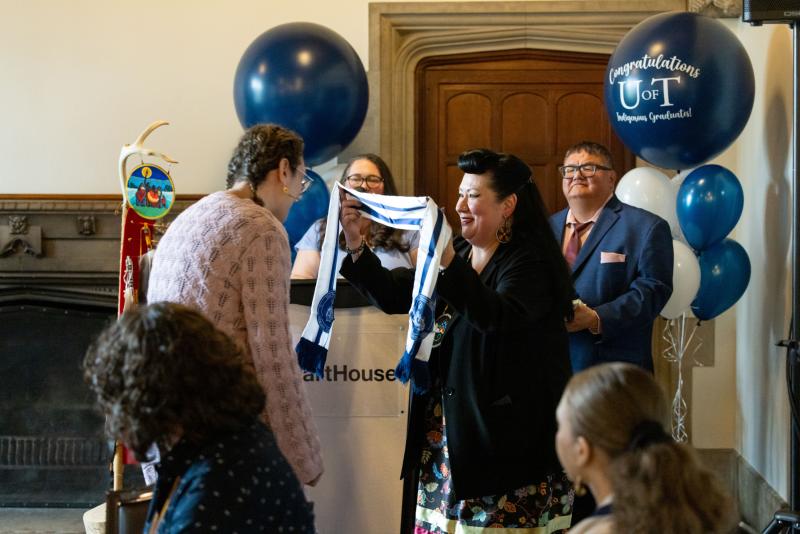
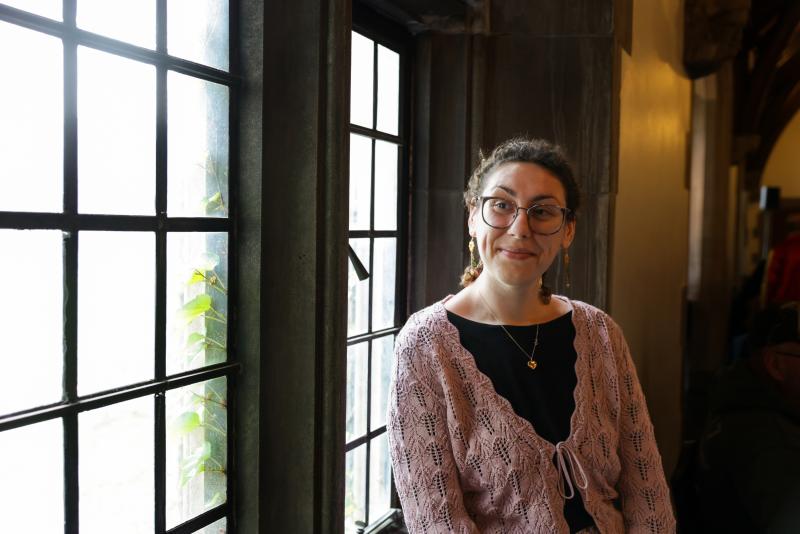

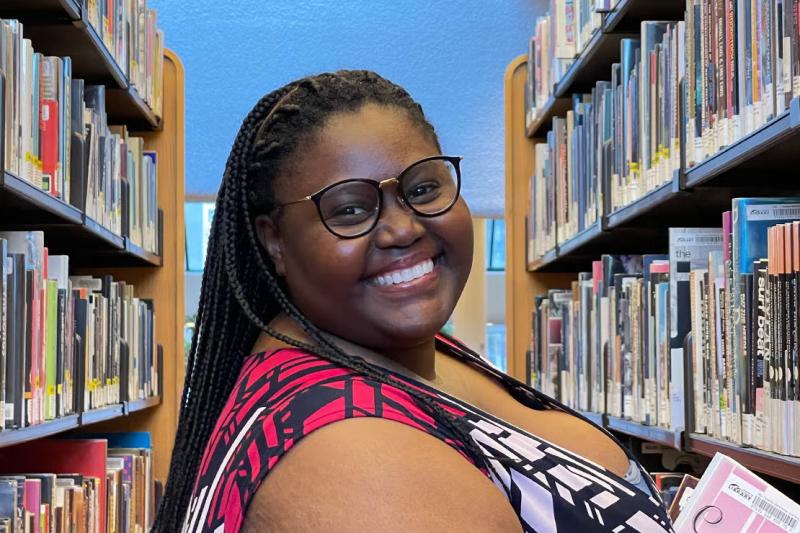
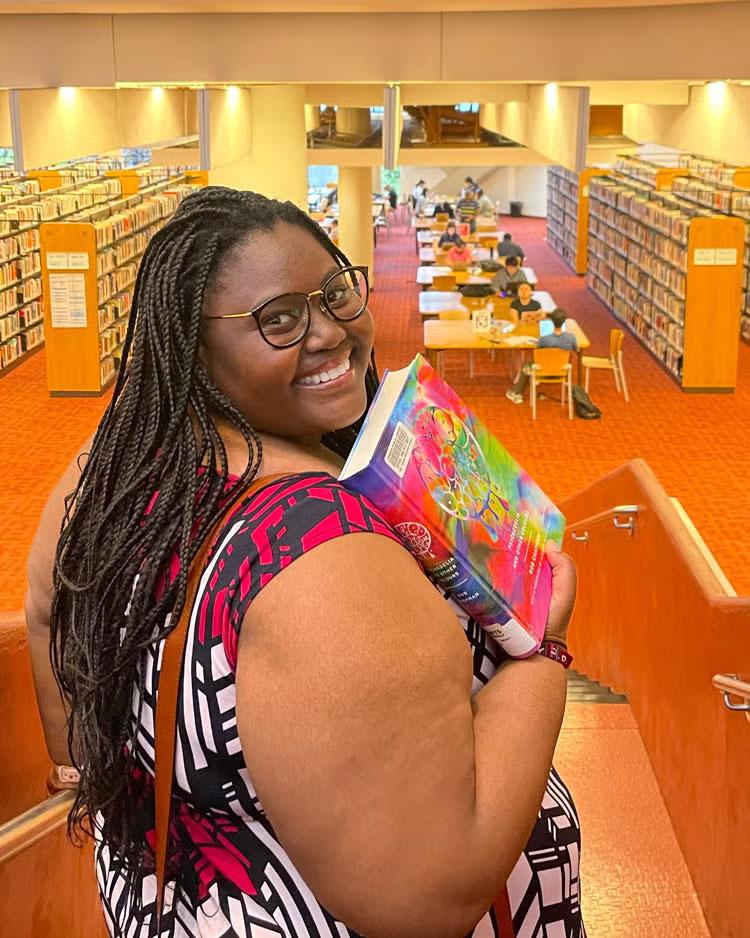
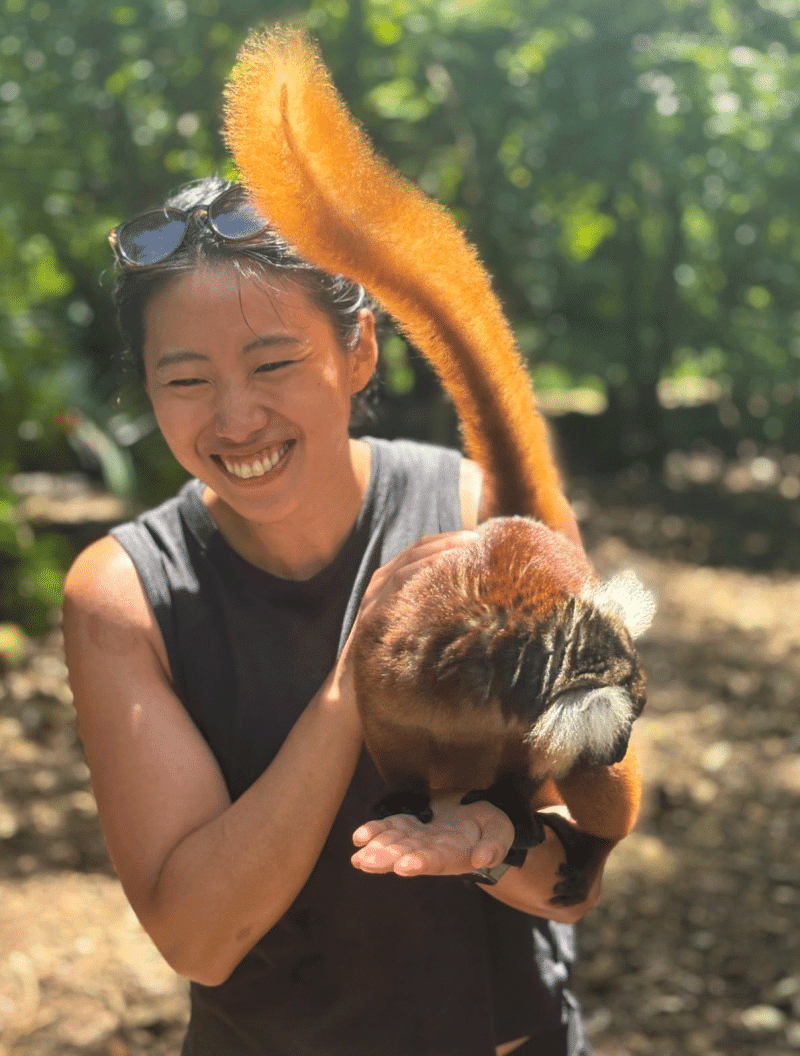
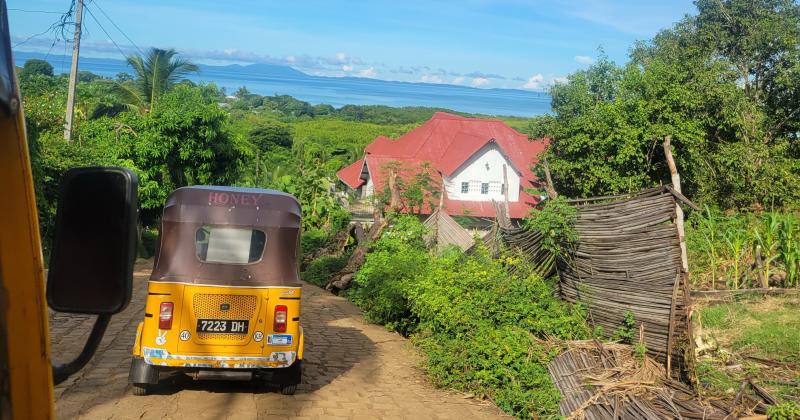
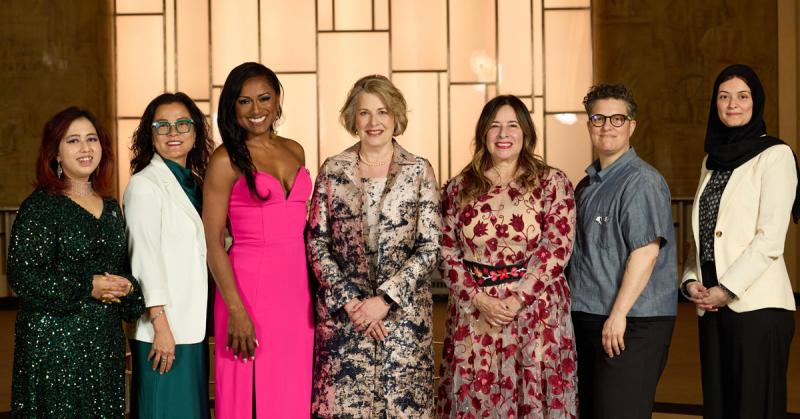
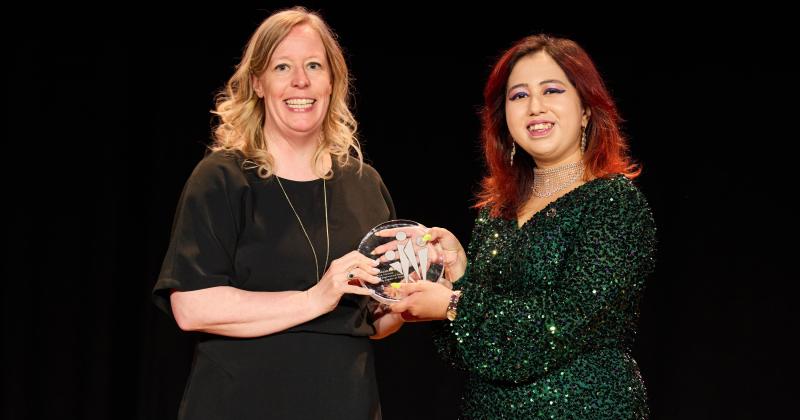
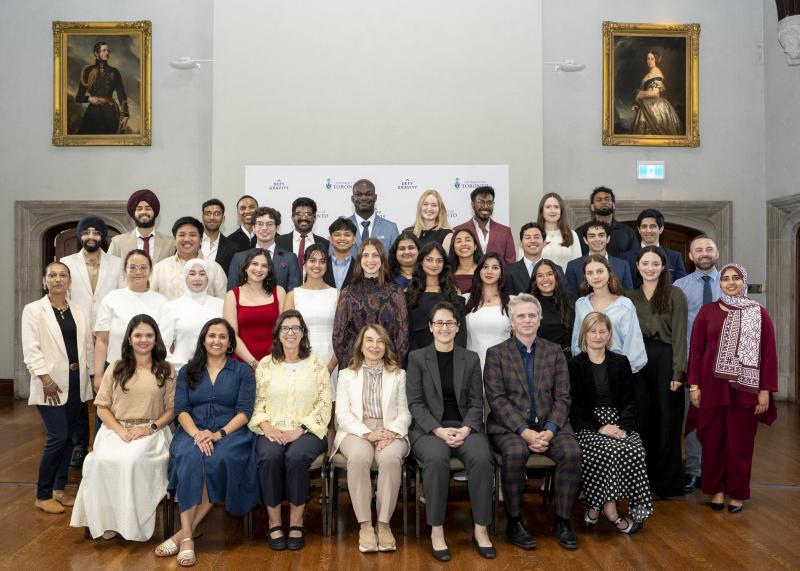
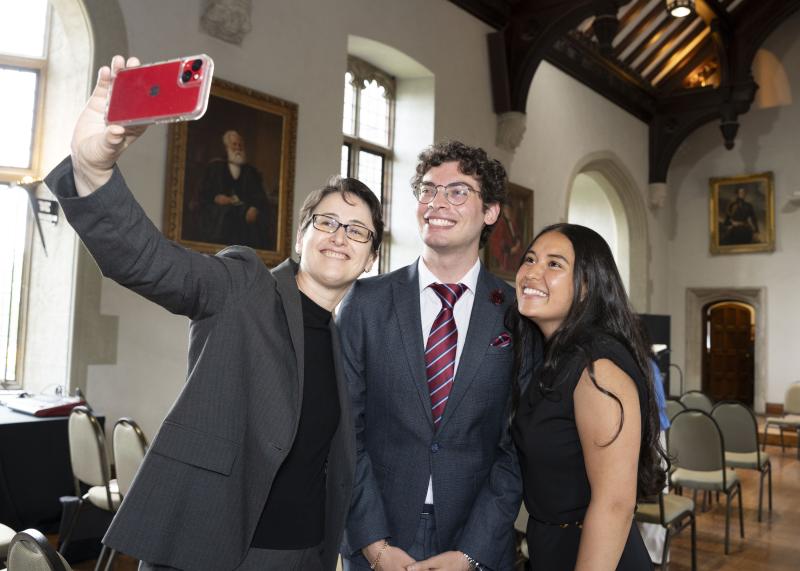
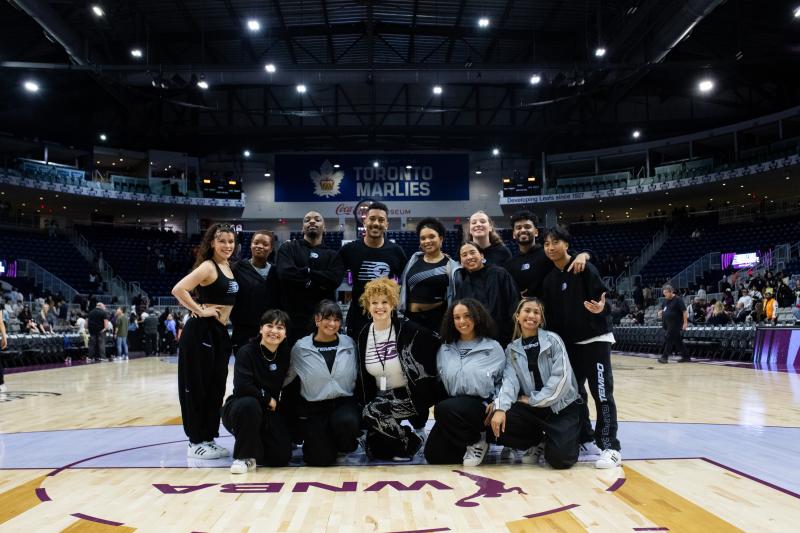
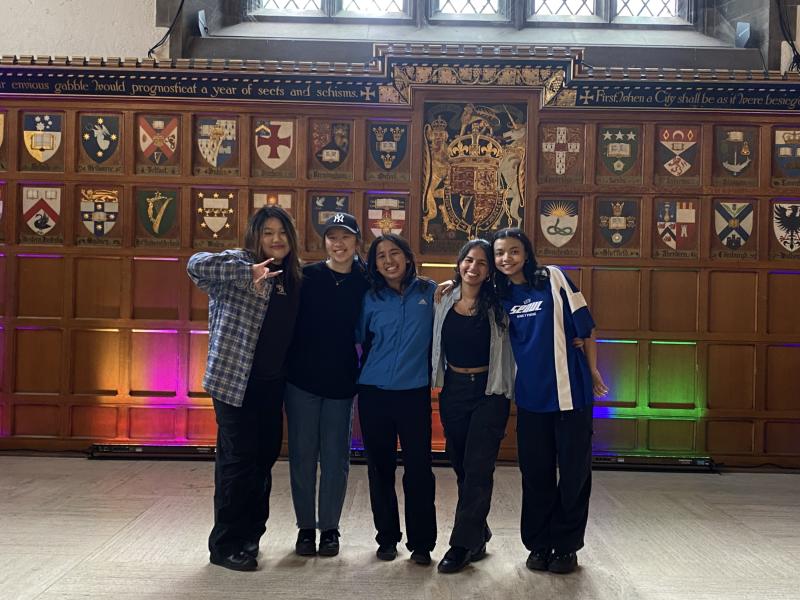
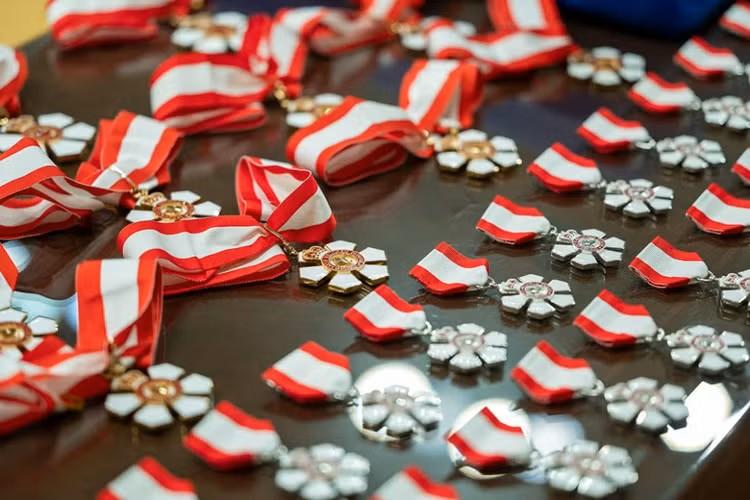

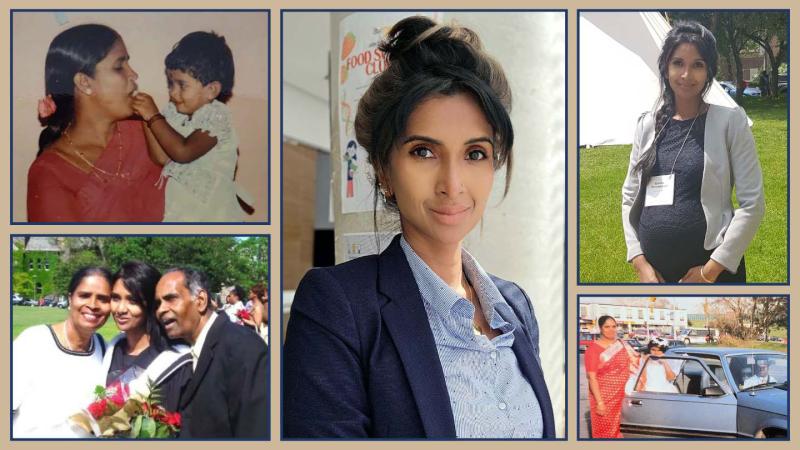
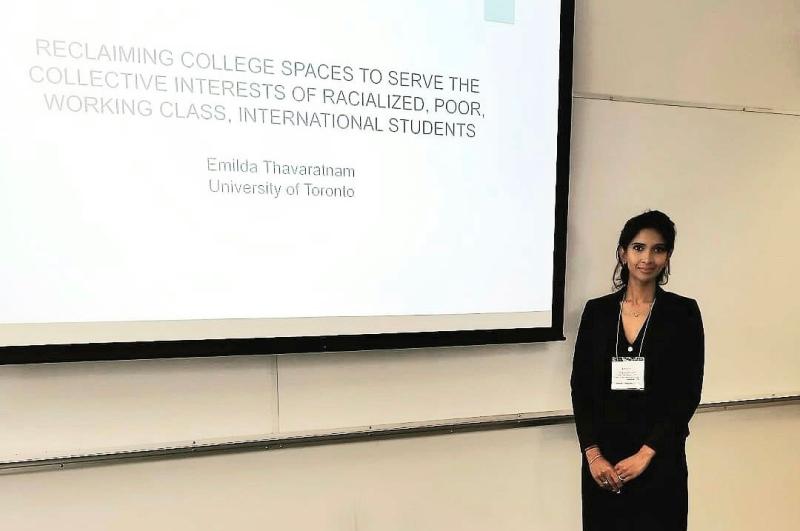

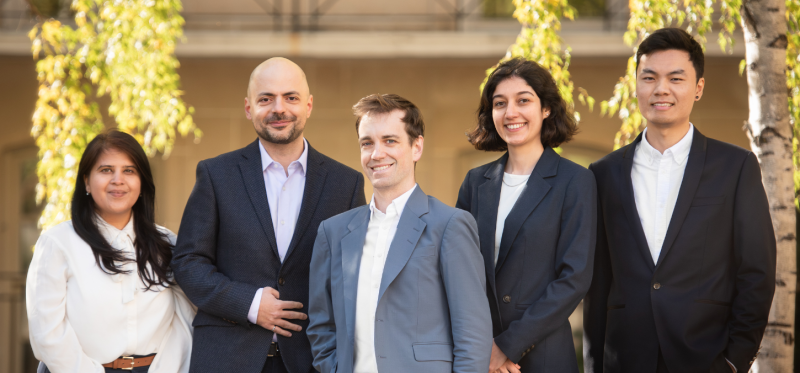
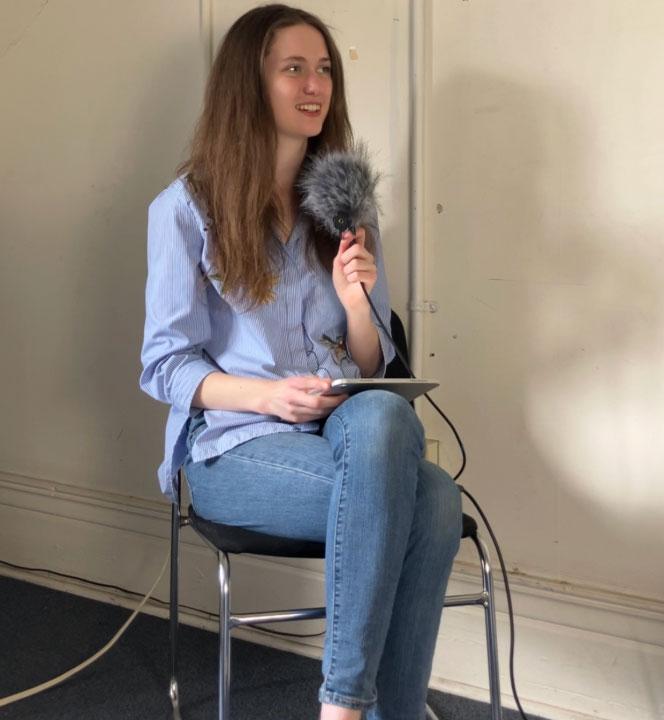
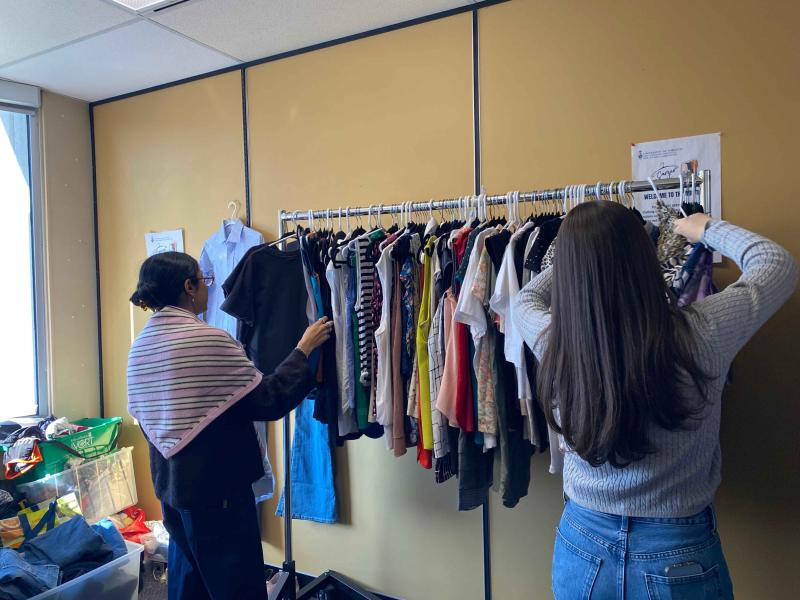
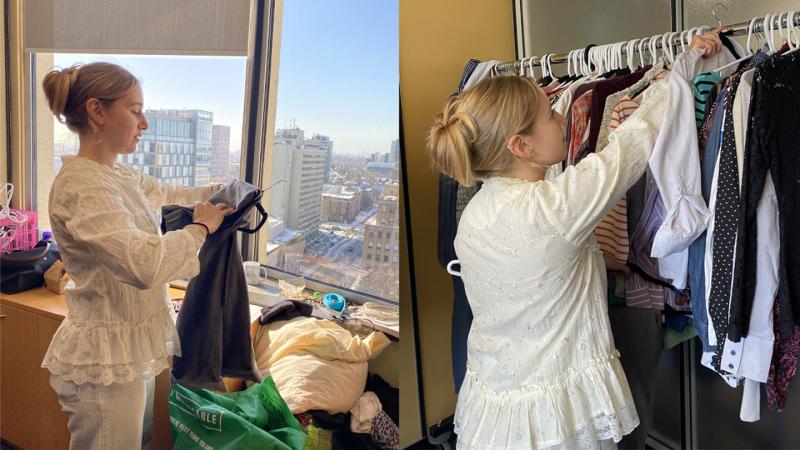
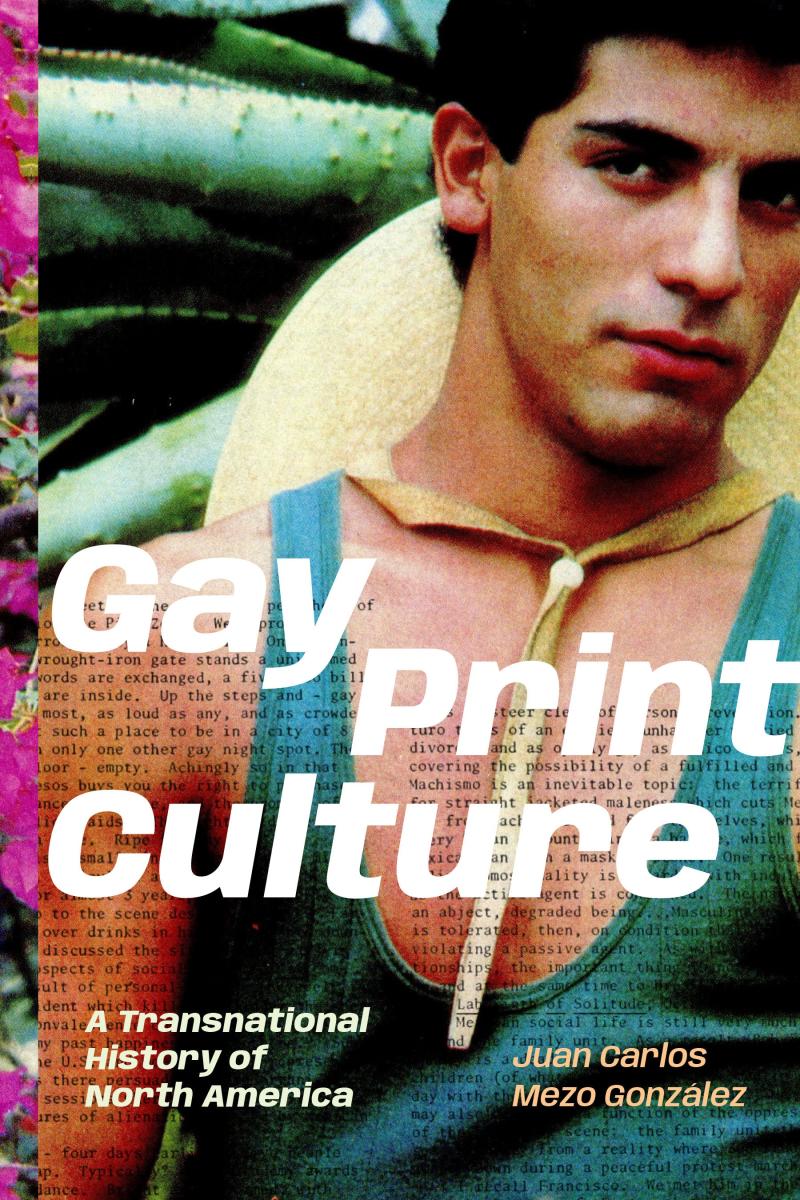
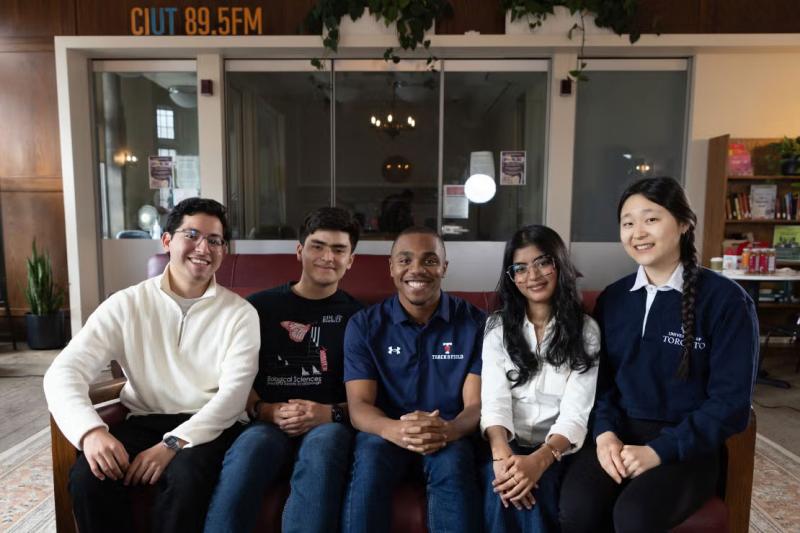
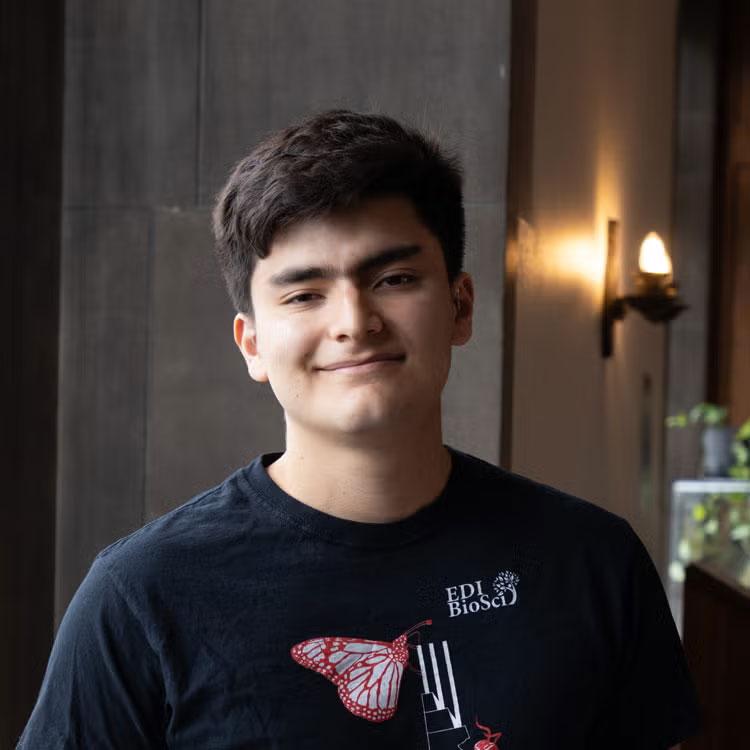
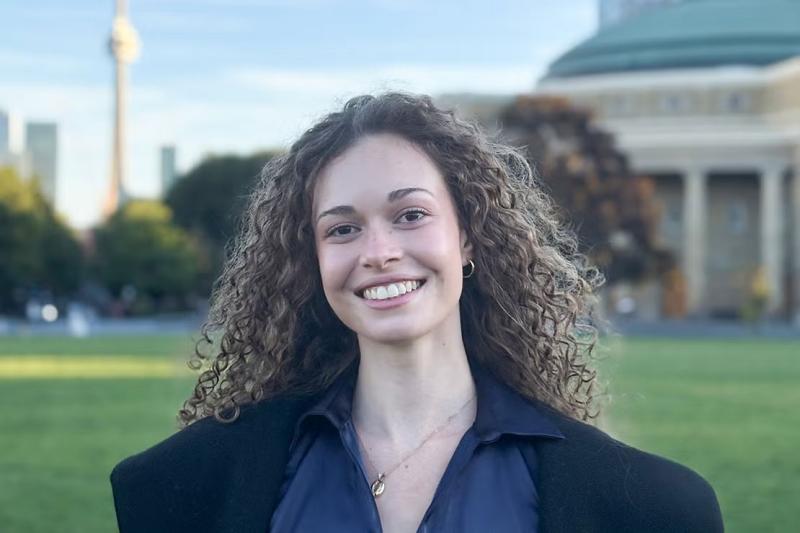

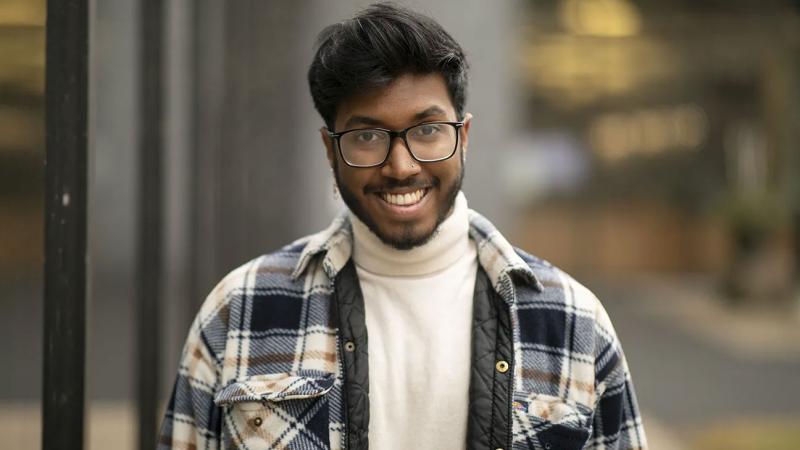

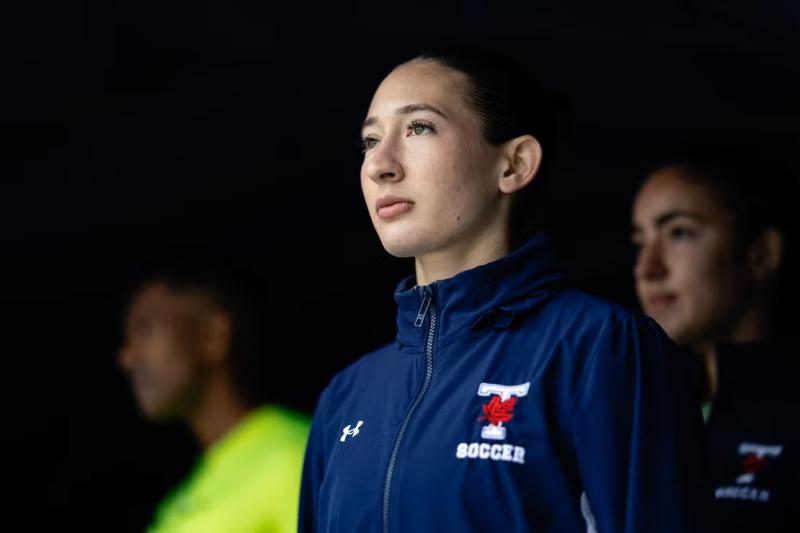
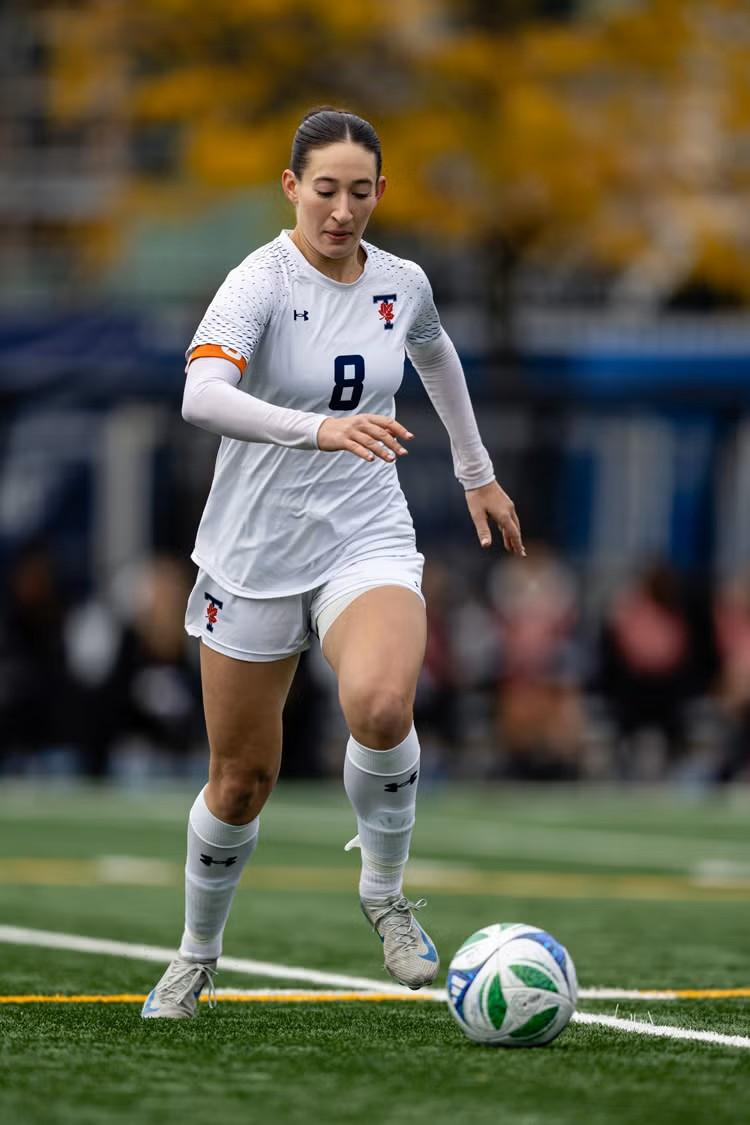
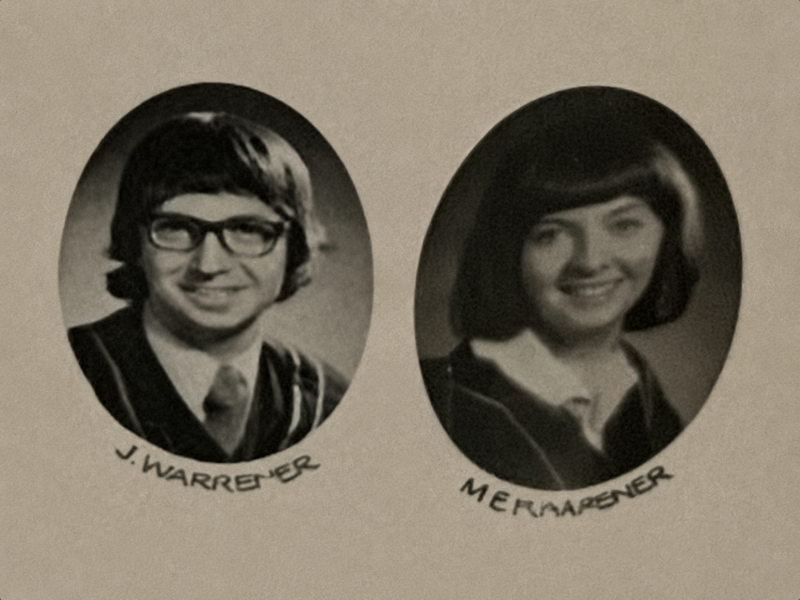
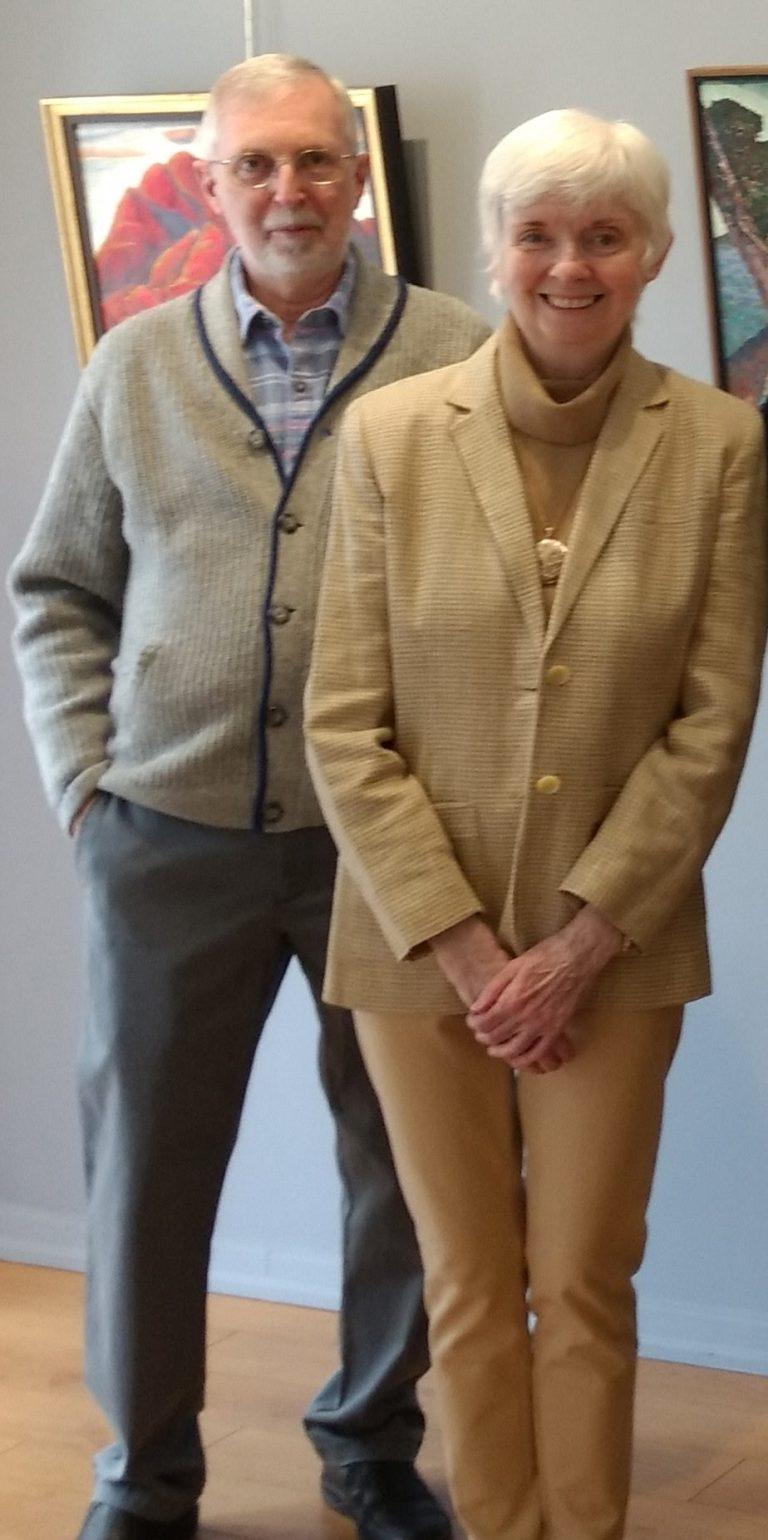
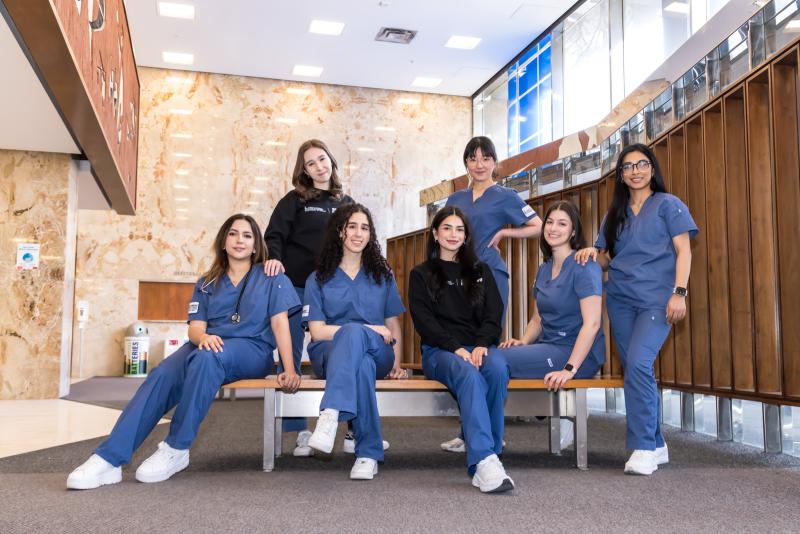
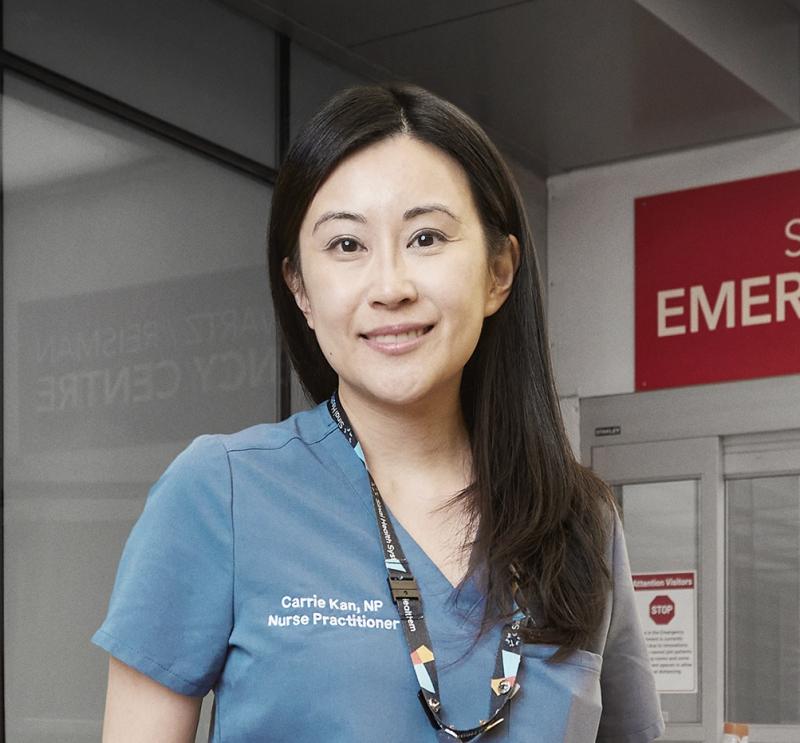
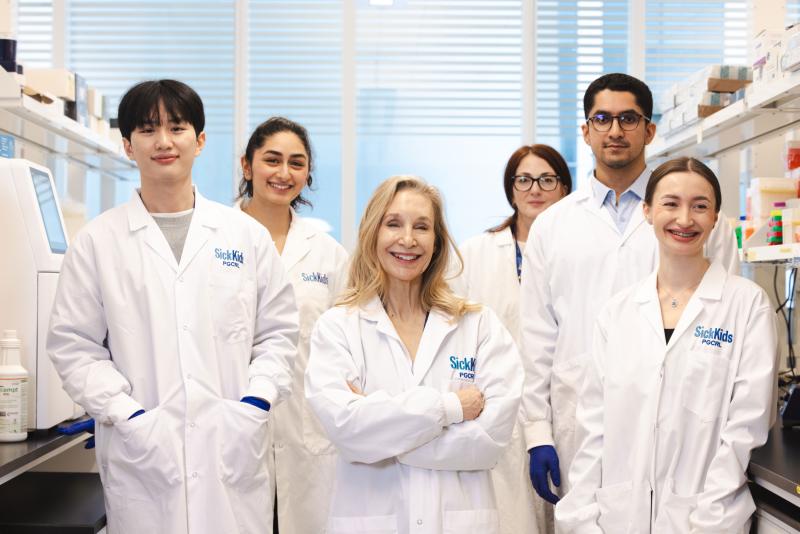
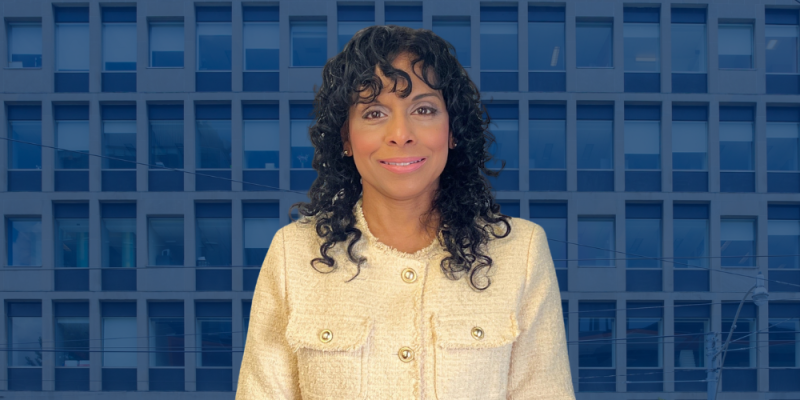
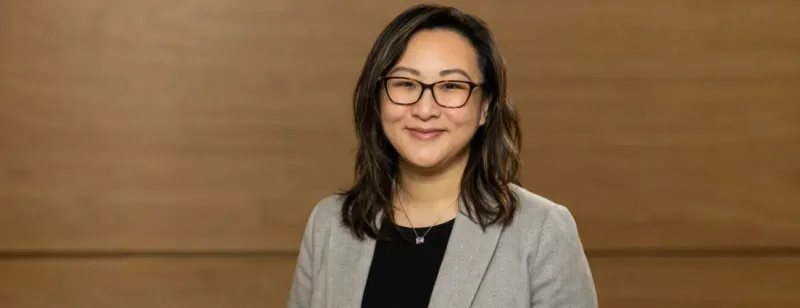
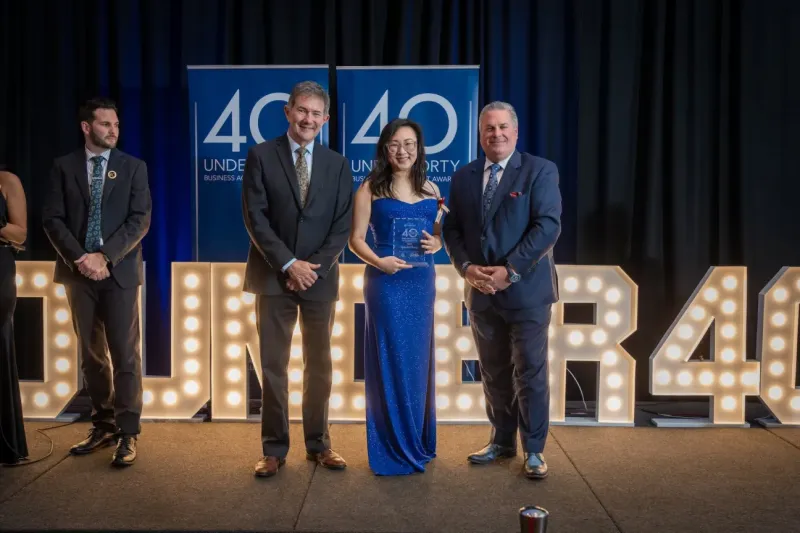



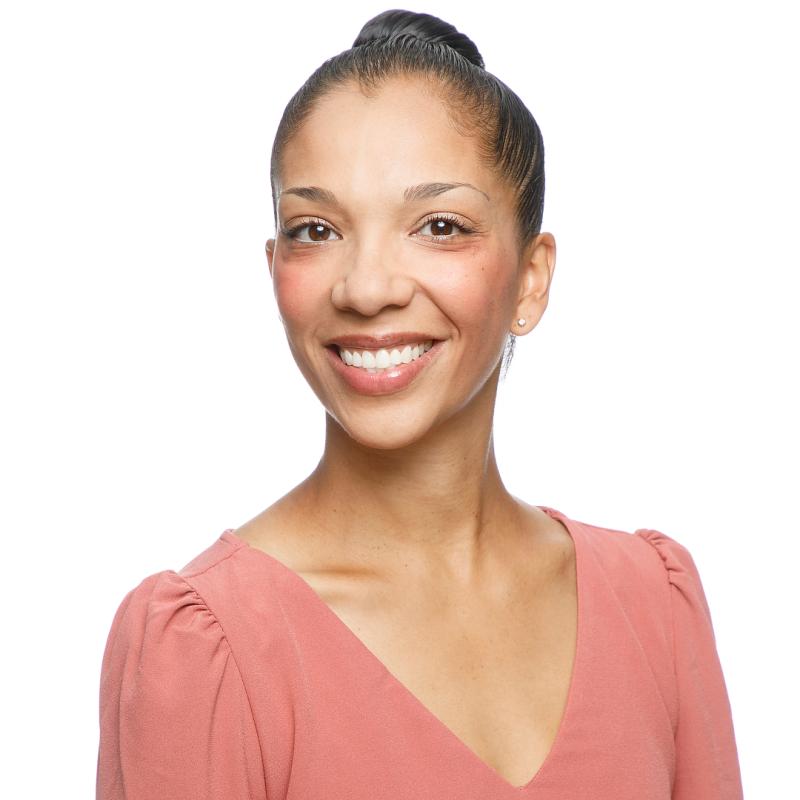
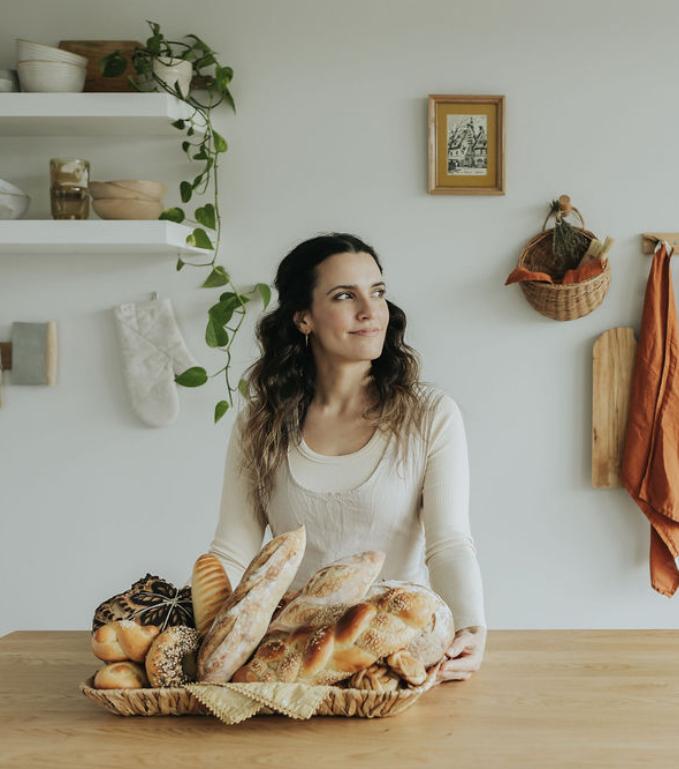
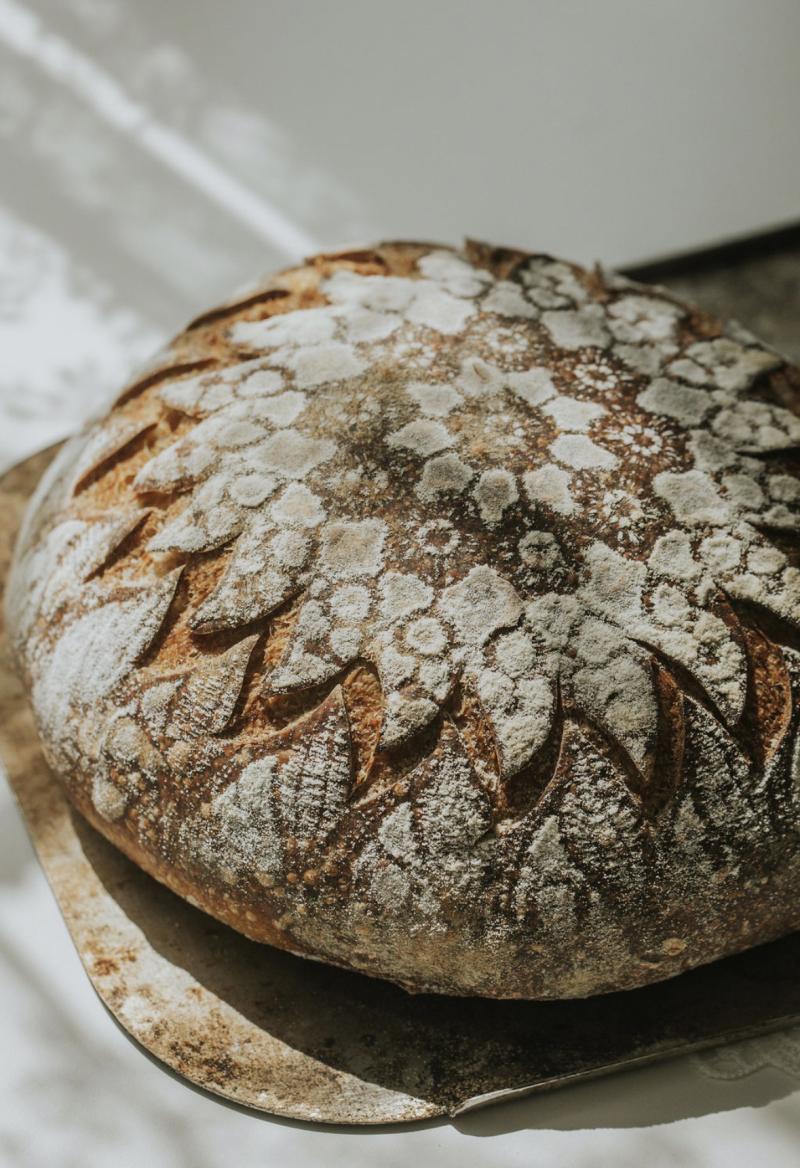
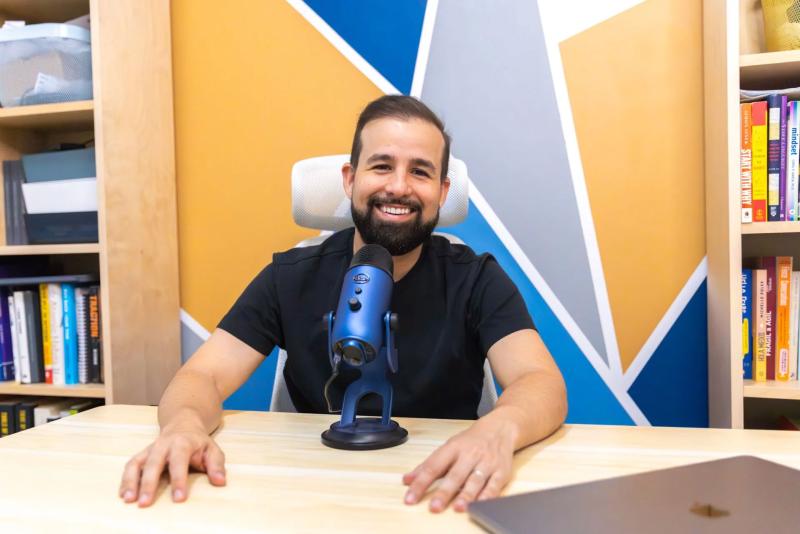
![Audiences experience [EOL]. End of Life at the 2025 Berliner Festspiele in the Gropius Bau.](../../../assets/editorial/story-40-0.jpg)